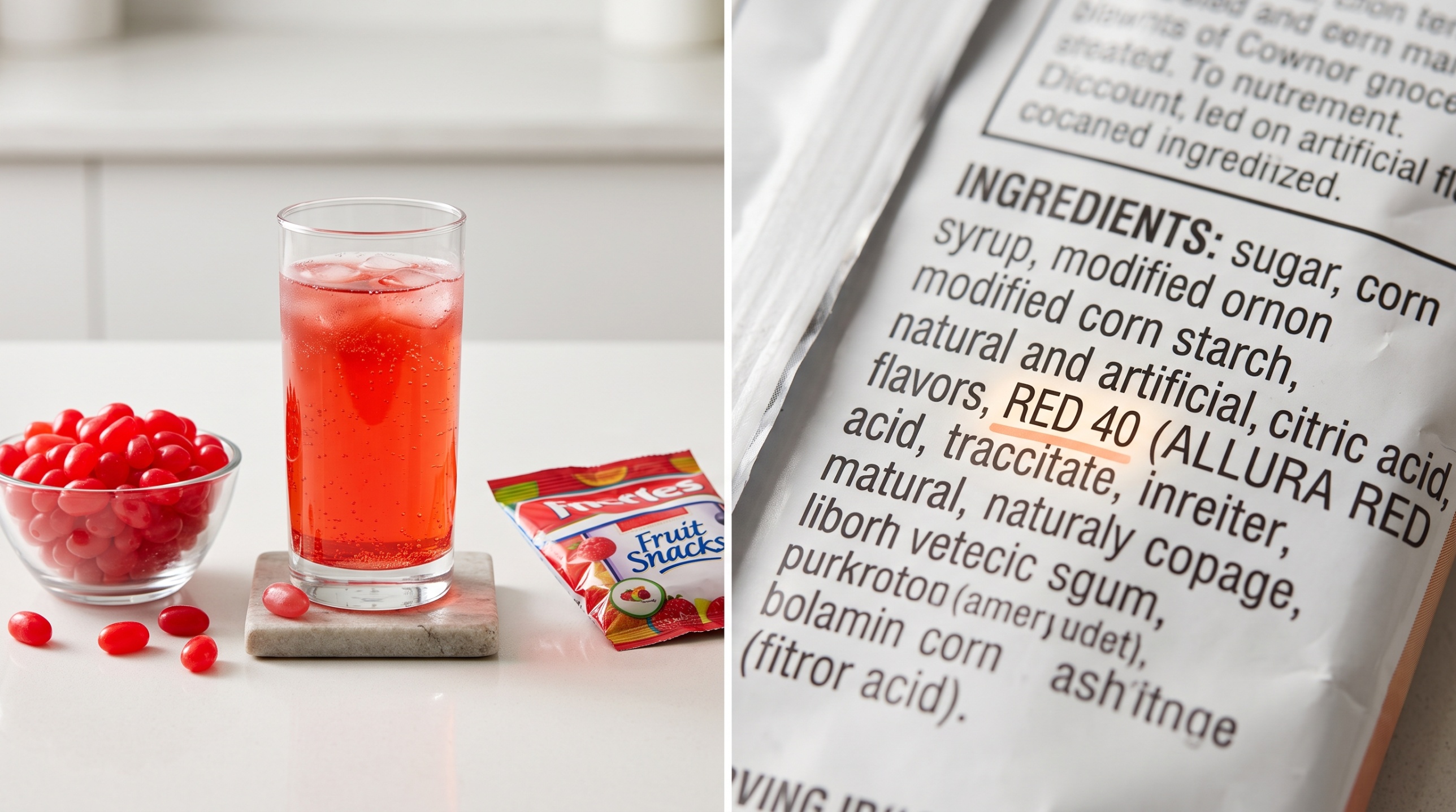
Beyond the Calorie Count: Why Your Food's Ingredients Dictate Your Health
We make dozens of choices every day, but few have a more immediate and compounding impact on our physical well-being than what we choose to eat. It is easy to look at food purely as energy—a simple math equation of calories in versus calories out. However, your body is a highly complex system, and the quality of the fuel you put into it matters just as much, if not more, than the quantity.

When you flip a package over to read the ingredient list, you are looking at the literal building blocks your body will use to repair cells, power your brain, and regulate your mood. Here is a breakdown of why the specific ingredients in your food are the true drivers of your physical health.
The "Good" Ingredients: Your Body's Operational Toolkit
Nutrient-dense, whole-food ingredients are not just "healthy"—they are functional. They provide the necessary materials for your body to execute millions of chemical reactions every second.
Complex Carbohydrates (Oats, Quinoa, Sweet Potatoes)
Unlike simple sugars that spike your blood glucose, complex carbs contain fiber. Fiber slows down digestion, providing a steady, sustainable release of energy while keeping your gut microbiome balanced.
Lean Proteins (Chicken, Fish, Tofu, Legumes)
Dietary protein is broken down into amino acids. These are the primary structural components for your muscles, skin, enzymes, and hormones. High-quality protein ensures your body can repair itself after physical exertion or stress.
Healthy Fats (Avocados, Olive Oil, Nuts, Seeds)
Fats are critical for brain health and the absorption of fat-soluble vitamins (like Vitamins A, D, E, and K). Omega-3 fatty acids, in particular, actively reduce cellular inflammation.
Vitamins and Minerals (Leafy Greens, Berries, Cruciferous Veggies)
These act as catalysts. For example, magnesium aids in muscle function and sleep, while vitamin C is essential for immune response and collagen synthesis.
Nutrients and Ingredients Worth Evaluating
Some packaged foods contain substantial added sugars, sodium, or saturated fat. These nutrients are worth comparing across products. Food additives have varied functions and should be evaluated individually according to the amount consumed and the available evidence; it is not accurate to assume that all additives disrupt health.
Added Sugars and High-Fructose Corn Syrup
These are pervasive in processed foods. Excessive sugar intake overwhelms the liver, spikes insulin levels, and drives systemic inflammation. Over time, this constant spiking can lead to insulin resistance, a precursor to type 2 diabetes and metabolic syndrome.
Trans Fats and Partially Hydrogenated Oils
Artificial trans fats are incredibly taxing on the cardiovascular system. They actively raise LDL ("bad") cholesterol while lowering HDL ("good") cholesterol, increasing the risk of heart disease.
Excessive Sodium
While sodium is an essential electrolyte, the massive quantities found in ultra-processed foods force the heart to work harder to pump blood, which can lead to chronic high blood pressure and vascular damage.
Artificial Preservatives and Emulsifiers
Certain emulsifiers have been investigated for possible effects on the gut microbiome and metabolic health. Findings vary by ingredient and study design; laboratory or animal findings do not by themselves establish harm from typical human dietary exposure.
The Cumulative Effect
One meal does not determine overall health. Long-term dietary patterns, including overall nutrient quality, added sugars, sodium, fiber, and food variety, generally provide more useful context than labeling entire groups of additives as inflammatory. Fatigue, sleep concerns, and other symptoms can have many causes and should not be attributed to ingredient lists without evidence.
Conversely, consistently choosing whole, single-ingredient foods gives your body the exact tools it needs to thrive, repair, and maintain high energy levels.
Take Action Today
The transition to healthier eating doesn't require a flawless diet; it requires awareness.
- 1Use IntelliEats to Understand the LabelIf the ingredient list contains unfamiliar terms, your body will likely struggle to process it.
- 2Prioritize Single-Ingredient FoodsAn apple has one ingredient: an apple.
- 3Cook at HomeIt is the only way to have 100% control over the oils, sugars, and sodium entering your meals.
Your health is an ongoing investment, and every meal is an opportunity to make a deposit.
Research & Regulatory Further Reading
The sources below provide background on food labeling, regulation, and research relevant to this topic. They do not establish that any individual ingredient is harmful at typical food exposure levels.
Medical Disclaimer
The information in this article is provided for educational purposes only and is not intended as medical, nutritional, or dietary advice. Ingredients approved by regulatory authorities are considered safe when used within established limits. Always consult a qualified healthcare professional or registered dietitian for guidance tailored to your personal health needs. See our Editorial Policy to learn how we research and review our content.