Why Does Bread Have So Many Ingredients? A Guide to Reading Bread Labels
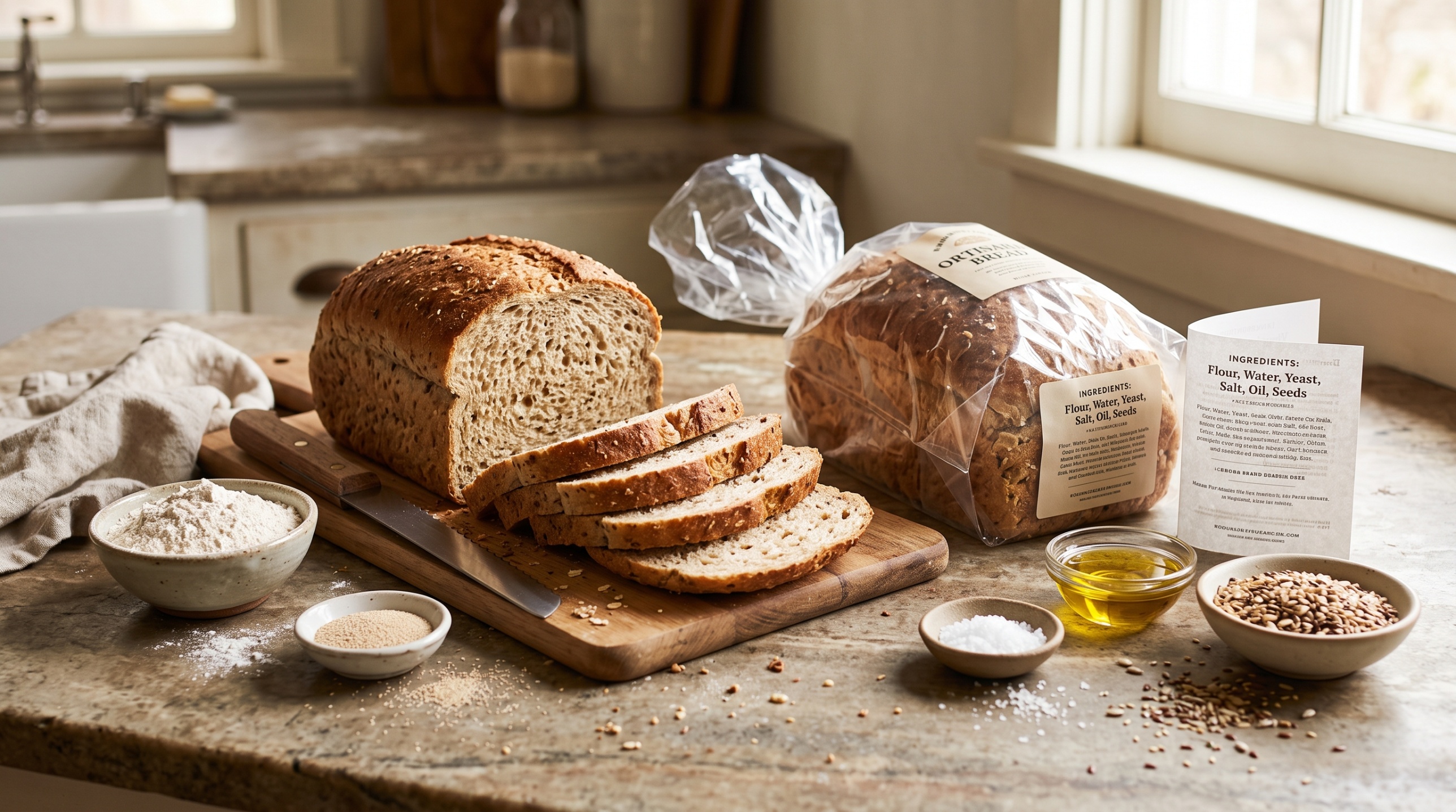

Flour, water, yeast, and salt. That’s all you need to make a basic loaf of bread. So why does the ingredient list on your favorite packaged bread sometimes look like a chemistry textbook?
Walk down the bread aisle at your grocery store, and you’ll find dozens of choices: whole wheat, multigrain, sourdough, white sandwich bread, brioche, and more. Some loaves have relatively short ingredient lists, while others contain 20 or more ingredients.
Does a longer ingredient list automatically mean the bread is unhealthy? Not necessarily. But understanding why those extra ingredients are there can help you make more informed choices for yourself and your family.
Let’s put on our ingredient detective hats and investigate what’s really inside your bread.
1. What Ingredients Does Bread Actually Need?
Traditional bread can be surprisingly simple. A basic loaf typically requires four ingredients:
Flour
Provides the structure of the bread.
Water
Hydrates the flour and helps the dough develop.
Yeast
Produces carbon dioxide, allowing the dough to rise.
Salt
Adds flavor and helps regulate fermentation.
Some recipes also include oil, butter, milk, sugar, seeds, or other ingredients to change the bread’s flavor, texture, and nutritional profile.
So why do commercial bread manufacturers add so many more ingredients? The answer often comes down to consistency, shelf life, texture, appearance, and production efficiency.
2. What’s Hiding in Your Bread? Common Ingredients Explained
Let’s investigate some of the ingredients you might encounter on a packaged bread label.
🍞 Preservatives: Helping Bread Stay Fresh Longer
Have you noticed that packaged bread can remain soft for days or even weeks? Certain preservatives help prevent mold growth and extend shelf life. Examples include:
- Calcium propionate
- Sorbic acid and its salts, where used
Preservatives can help reduce food waste by keeping bread edible for longer. Their presence doesn’t automatically mean a product is unsafe. However, if you prefer bread with fewer preservatives, checking the ingredient list can help you identify products that better match your preferences.
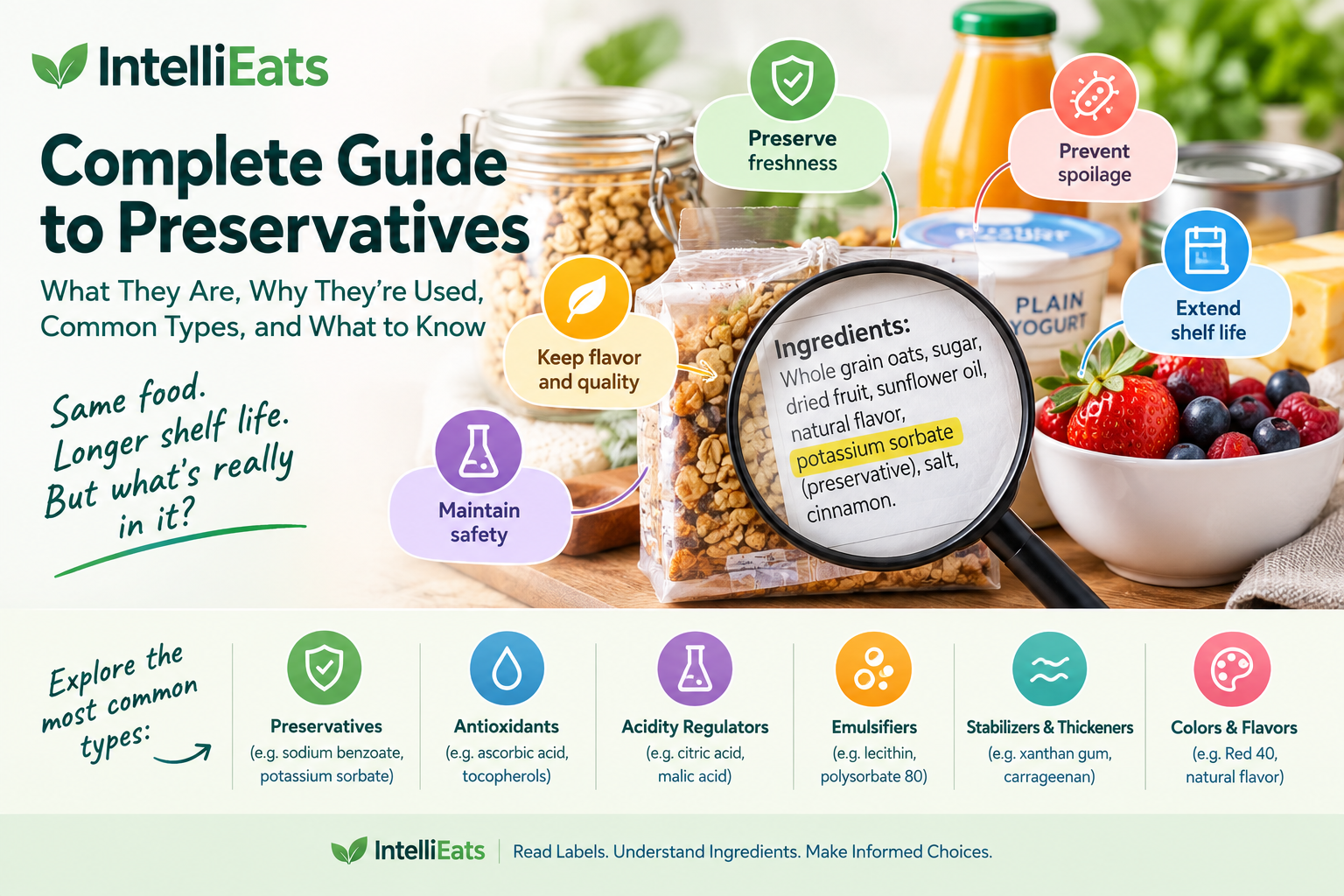
Related reading: Complete Guide to Preservatives →What calcium propionate, sorbates, and other preservatives do — and how they are regulated.
🧈 Emulsifiers: Keeping Bread Soft and Consistent
Ever wondered why some packaged bread feels soft and fluffy long after it leaves the bakery? Emulsifiers and related dough-conditioning ingredients can help improve dough handling, loaf volume, and texture. Examples include:
- Mono- and diglycerides
- Sodium stearoyl lactylate
- Lecithins
These ingredients serve different functions depending on the formulation. Some help ingredients mix more effectively, while others improve the texture and softness of the finished loaf.
Their presence isn’t, by itself, proof that a bread is unhealthy. The important question is whether you understand their purpose and are comfortable with the product’s overall ingredient profile.
⚙️ Dough Conditioners: Making Commercial Baking More Consistent
Commercial bakeries need dough that behaves predictably across large production runs. Ingredients such as ascorbic acid (vitamin C), enzymes, and other dough conditioners may help improve dough strength, handling, or loaf quality.
Some ingredients that sound unfamiliar may perform useful technological functions in baking.
🍯 Added Sugars: More Than Just Sweetness
Sugar isn’t used only to make bread taste sweet. Depending on the recipe, added sugars can contribute to browning, flavor, and yeast fermentation. Some breads contain more added sugar than others. Examples include:
- Sugar
- Honey
- Molasses
- Dextrose
- Brown rice syrup
Whole wheat bread isn’t automatically low in added sugar, and multigrain bread isn’t necessarily healthier than every white bread. Check the Nutrition Facts label for Added Sugars, rather than relying on the product name or color alone.
🫒 Oils and Fats: Changing Texture and Flavor
Vegetable oils and other fats can help create a softer crumb and improve the eating quality of packaged bread. You’ll commonly encounter ingredients such as canola oil, sunflower oil, soybean oil, or olive oil.
Their nutritional implications depend on the type and amount of fat, as well as the overall product and your dietary needs. The presence of an oil alone isn’t enough to determine whether a bread is a good choice.
🌾 Enriched Flour: An Ingredient Worth Understanding
You may see enriched wheat flour listed near the beginning of an ingredient list. Enriched flour has certain nutrients added back after processing. These commonly include iron and B vitamins such as thiamin, riboflavin, niacin, and folic acid. Enrichment can help restore nutrients that would otherwise be reduced during milling.
Whole wheat flour
- Bran
- Germ
- Endosperm
Generally contains all three parts of the wheat kernel.
Enriched (refined) flour
- Endosperm
- Added iron
- Added B vitamins and folic acid
Bran and germ are removed before certain nutrients are added back.
Don’t confuse enriched with whole grain. Both the ingredient list and the Nutrition Facts label can help you understand what you’re buying.
3. Is Bread With Fewer Ingredients Always Better?
Not necessarily. A short ingredient list can be useful if you want a simpler recipe or prefer to avoid certain additives. But ingredient count alone doesn’t tell you everything about a food’s nutritional quality. For example:
- A bread with a short ingredient list can still be low in fiber.
- A bread with more ingredients may provide useful nutrients through seeds, whole grains, or enrichment.
- A product labeled “multigrain” may contain mostly refined flour.
- A product labeled “whole wheat” may still contain added sugar or other ingredients you want to evaluate.
Instead of following a strict rule that fewer ingredients are always better, consider three things:
The first ingredient
Is it whole wheat flour, another whole grain, or refined flour?
The Nutrition Facts label
How much fiber, sodium, added sugar, and protein does each serving provide?
The additional ingredients
Are there preservatives, sweeteners, or other ingredients you want to understand or limit?
Your dietary needs and preferences should guide your decision.
Related reading: Natural Flavor vs. Artificial Flavor: What’s the Difference? →Why “natural” on a label describes a source, not overall nutritional quality.
4. How to Investigate a Bread Label in 60 Seconds
The next time you shop for bread, try this quick investigation.
- 1
Step 1: Identify the main flour.
Look at the first ingredient. If you’re looking for whole-grain bread, check whether whole wheat flour or another whole grain is listed prominently.
- 2
Step 2: Check the fiber content.
Dietary fiber supports digestive health and can help make meals more satisfying. Compare the fiber content per serving across similar products.
- 3
Step 3: Look at added sugars and sodium.
Bread can contribute to your daily intake of both. Compare serving sizes and Nutrition Facts labels to find an option that fits your needs.
- 4
Step 4: Investigate unfamiliar ingredients.
If you see an ingredient you don’t recognize, find out what it does and whether there is reliable evidence of a safety concern. Don’t assume that an unfamiliar chemical name automatically means danger.
- 5
Step 5: Consider your personal preferences.
You might prefer bread without certain preservatives, with fewer added sugars, or without specific ingredients because of an allergy or dietary restriction.
The best choice is the one that fits your nutritional needs, ingredient preferences, budget, and lifestyle.
Related reading: How to Read a Food Label in 60 Seconds →Apply the same quick routine to any packaged food.
How IntelliEats Helps You Become an Ingredient Detective
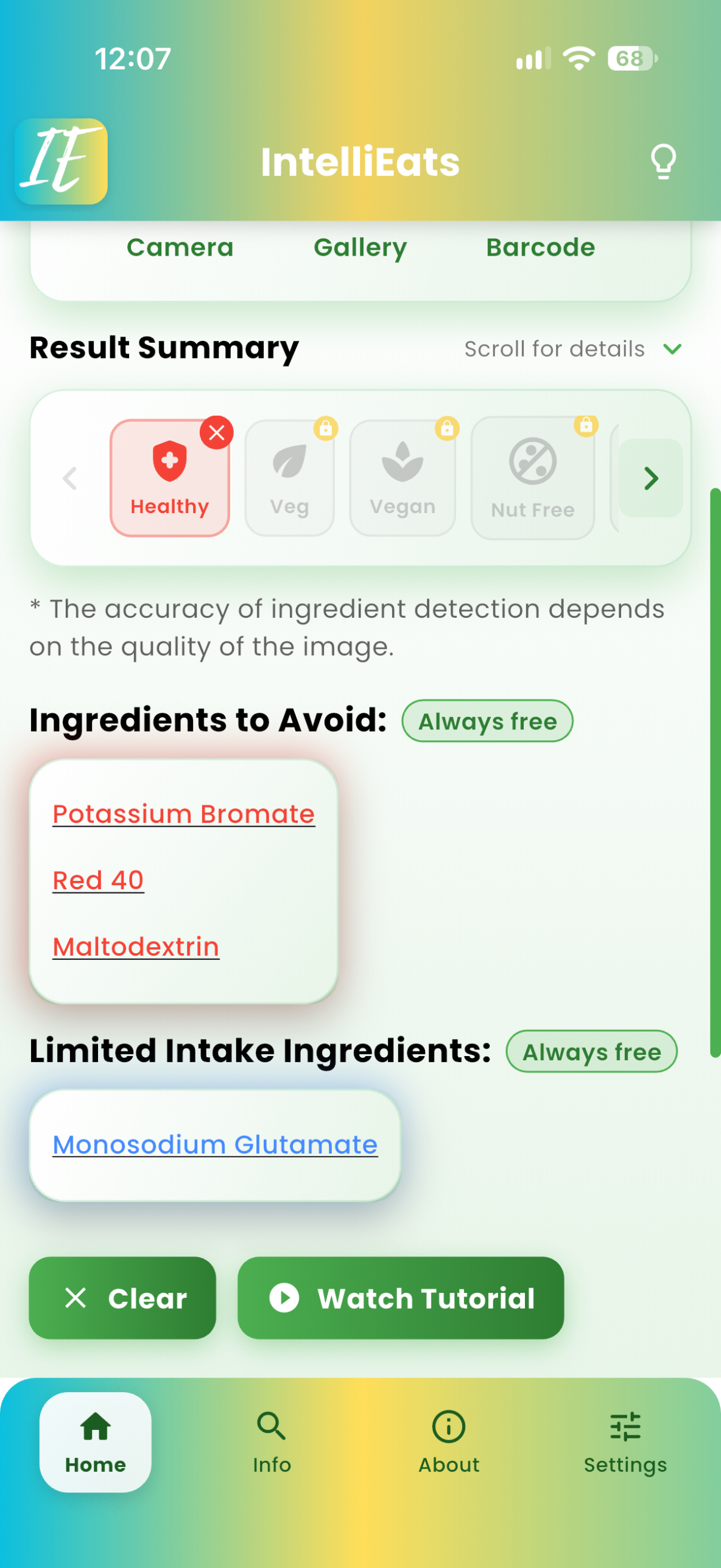
Reading food labels is a valuable skill, but investigating every unfamiliar ingredient while standing in a busy grocery aisle can be time-consuming. IntelliEats is designed to make packaged-food ingredient information easier to understand through ingredient scanning and personalized food insights.
Scan instead of guessing. Use the IntelliEats ingredient scanner to scan a product’s ingredient label and review the information it identifies — no need to remember every unfamiliar name.
Understand ingredients you don’t recognize. Names such as calcium propionate, mono- and diglycerides, or sodium stearoyl lactylate may look intimidating. IntelliEats can help you explore why they may be included in a packaged food.
Make choices that match your preferences. Ingredient insights and dietary preference features help you evaluate products according to your needs — for example, investigating two bread labels to decide which better matches your preferences.
Compare products with greater confidence. Two loaves can look almost identical on the shelf while having different ingredients and nutritional profiles. Investigate the ingredient differences, then compare fiber, sodium, added sugars, and serving sizes on the packages.
The goal isn’t to fear every unfamiliar ingredient. It’s to make informed decisions with greater confidence.
5. The Bottom Line: Know Your Bread, Not Just Its Brand
A long ingredient list isn’t automatically a warning sign, just as a short list doesn’t guarantee superior nutrition. Commercial bread often contains additional ingredients for legitimate purposes, including preserving freshness, improving texture, and maintaining consistency.
What matters is understanding what those ingredients do, evaluating the product’s nutritional profile, and choosing foods that align with your needs and preferences.
The next time you pick up a loaf of bread, take a moment to turn the package around. Look beyond the front-of-package claims. Check the flour, fiber, added sugars, sodium, and ingredients that matter to you.
And when you need help investigating an unfamiliar label, let IntelliEats help you turn a confusing ingredient list into a more informed food choice.
Ready to become an ingredient detective? Explore IntelliEats and make your next grocery trip a little more informed.
Related IntelliEats Articles
Continue learning about food ingredients:
References and Further Reading
- U.S. Food and Drug Administration — Color Additives Questions and Answers for Consumers — official information about color additives and how the FDA regulates food additives.
- European Food Safety Authority — Food Additives — scientific evaluations of food additives, including preservatives and emulsifiers used in baked goods.
Last reviewed: October 2026
Disclaimer: This article is for general educational purposes only and does not replace advice from a physician, registered dietitian, allergist, or other qualified healthcare professional.
Research & Regulatory Further Reading
The sources below provide background on food labeling, regulation, and research relevant to this topic. They do not establish that any individual ingredient is harmful at typical food exposure levels.
Medical Disclaimer
The information in this article is provided for educational purposes only and is not intended as medical, nutritional, or dietary advice. Ingredients approved by regulatory authorities are considered safe when used within established limits. Always consult a qualified healthcare professional or registered dietitian for guidance tailored to your personal health needs. See our Editorial Policy to learn how we research and review our content.