Top 20 Ingredients to Be Aware of During Pregnancy: What Current Research Says
Expecting a baby is one of the most exciting journeys in life, but it also comes with a sudden flood of advice about what you should and shouldn't eat. From family members giving unsolicited tips to conflicting health articles online, figuring out what’s actually safe can quickly feel overwhelming.
At IntelliEats, we believe that nourishing your body during pregnancy shouldn't require a degree in food science or biochemistry. While whole foods form the backbone of a healthy pregnancy, modern grocery store shelves are packed with heavily processed foods containing subtle additives, artificial colorings, and chemical preservatives that warrant a closer look.
This evidence-based guide breaks down the top 20 ingredients to be aware of during pregnancy, why current research suggests caution, and how using a smart label scanner like IntelliEats takes the guesswork out of grocery shopping.
Why Reading Food Labels Matters During Pregnancy
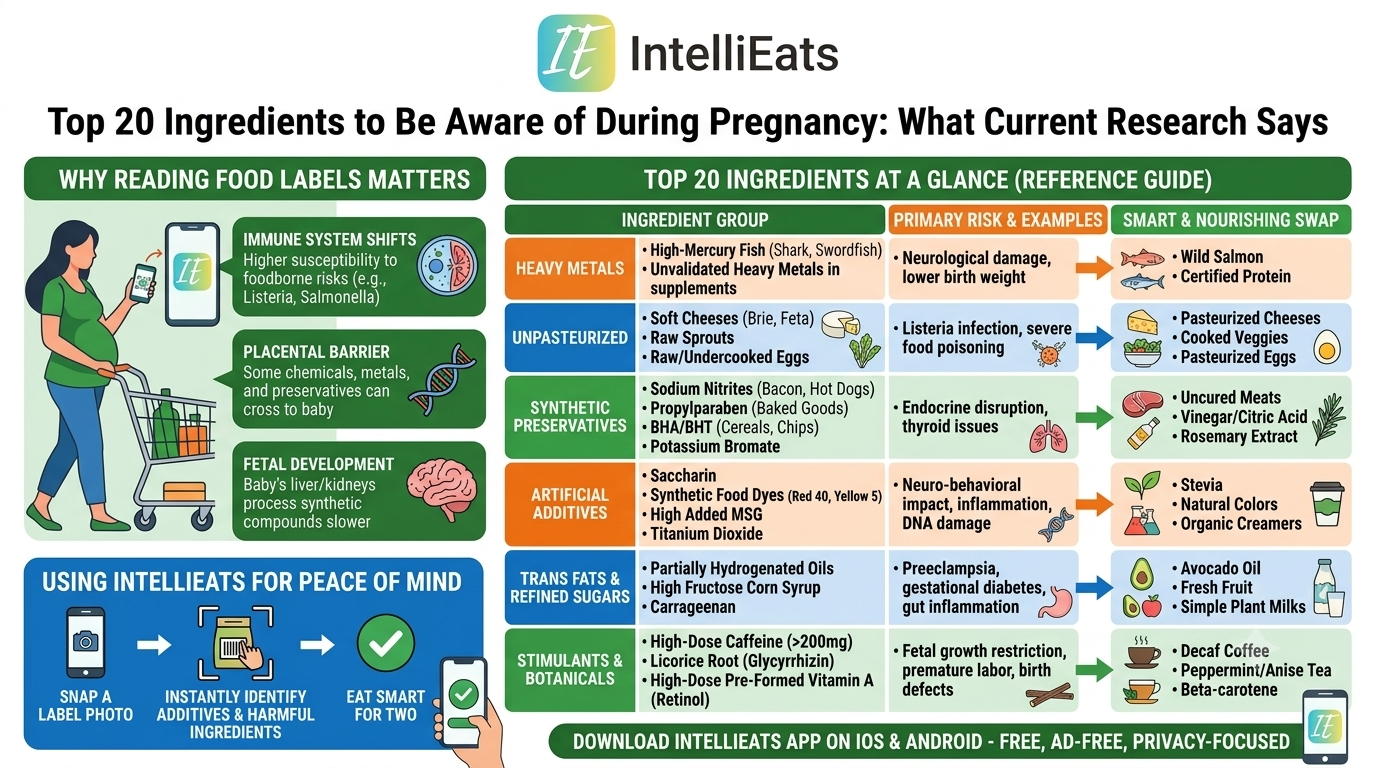
During pregnancy, your body undergoes major physiological changes. Your immune system naturally shifts so your body doesn't reject the developing fetus. While this is a biological marvel, it also makes you slightly more susceptible to foodborne risks and systemic inflammation caused by chemical exposure.
At the same time, the placental barrier—the organ that connects you to your baby—is amazingly protective, but it isn't completely impenetrable. Some substances, including methylmercury, can cross the placenta. The effects of other food ingredients depend on the particular substance and dose; general statements about all synthetic preservatives should be avoided.
Reading food labels isn't about feeling anxious in the grocery aisle—it’s about empowerment. Some food-safety concerns during pregnancy are well established, such as unpasteurized foods and high-mercury fish. Other additive-related questions have more limited evidence. Understanding labels can help you ask informed questions, but scanning an ingredient list cannot guarantee a safe pregnancy.
The Top 20 Ingredients to Watch Out For
To make this simple to navigate, we’ve categorized these 20 ingredients based on their specific health risks during pregnancy.
Category 1: Heavy Metals & Marine Toxins
High-Mercury Fish (King Mackerel, Shark, Swordfish, Tilefish, Bigeye Tuna)
Why to be cautious: Mercury accumulates in large predatory fish. Current research from the American College of Obstetricians and Gynecologists (ACOG) shows that methylmercury easily crosses the placenta and can interfere with the baby’s developing brain and nervous system.
Smart swap: Choose low-mercury seafood rich in omega-3s like wild salmon, sardines, anchovies, and light canned tuna (up to 8–12 oz per week).
Unvalidated Heavy Metals in Protein Powders (Lead, Cadmium, Arsenic)
Why to be cautious: Heavy metals can lurk in untested plant protein powders or low-quality dietary supplements. Heavy metal exposure during pregnancy is linked to lower birth weight and developmental delays.
Smart swap: Look for third-party tested protein powders (certified by NSF or Informed Choice) or rely on whole food protein sources like pasteurized yogurt, eggs, lentils, and organic poultry.
Category 2: Unpasteurized & High-Pathogen Ingredients
Unpasteurized (Raw) Milk & Raw Soft Cheeses
Why to be cautious: Soft cheeses made with unpasteurized milk (like authentic Feta, Brie, Camembert, and Queso Fresco) can harbor Listeria monocytogenes. Unlike many bacteria, Listeria grows even inside cold refrigerators and increases the risk of premature delivery or pregnancy loss.
Smart swap: Check the label specifically for the word “Pasteurized.” Most mass-market cheeses sold in North America are pasteurized and completely safe!
Raw Sprouts (Alfalfa, Clover, Radish, Mung Bean)
Why to be cautious: Bacteria like E. coli and Salmonella can get trapped inside sprout seeds. Because sprouts require warm, humid conditions to grow, surface washing is not enough to eliminate embedded bacteria.
Smart swap: Enjoy your veggies thoroughly cooked, or swap raw sprouts on sandwiches for crisp, well-washed romaine lettuce or cabbage.
Raw or Undercooked Eggs (in Homemade Caesar, Aioli, Mayo)
Why to be cautious: Raw eggs carry a risk of Salmonella enteritidis, which can cause severe food poisoning, high fever, dehydration, and uterine contractions.
Smart swap: Commercial jarred mayonnaise, dressings, and ice creams use pasteurized eggs and are safe. If cooking at home, ensure egg dishes reach an internal temperature of 160°F (71°C).
Category 3: Synthetic Preservatives & Industrial Additives
Sodium Nitrites & Nitrates (in Processed Meats)
Why to be cautious: Used in bacon, hot dogs, deli meats, and sausages to preserve color and prevent spoil. In the stomach, nitrites can form nitrosamines (potentially harmful compounds). High exposure during pregnancy has been studied for links to prenatal oxidative stress.
Smart swap: Choose “uncured” meats preserved with natural celery powder, or heat deli meats until steaming hot (165°F) before eating.
Propylparaben
Why to be cautious: Used as a chemical preservative in baked goods, tortillas, and packaged trail mixes. Endocrine researchers classify parabens as potential endocrine disruptors that can mimic estrogen and interfere with delicate fetal hormone signals.
Smart swap: Choose fresh bakery items or packaged goods that use natural mold inhibitors like cultured wheat flour, vinegar, or citric acid.
BHA (Butylated Hydroxyanisole) & BHT (Butylated Hydroxytoluene)
Why to be cautious: Synthetic petroleum-derived antioxidants used to prevent fats and oils from going rancid in cereals, chips, and shortenings. Studies link BHA/BHT to endocrine disruption and potential cellular stress.
Smart swap: Opt for snacks made with natural antioxidants like Vitamin E (mixed tocopherols) or rosemary extract.
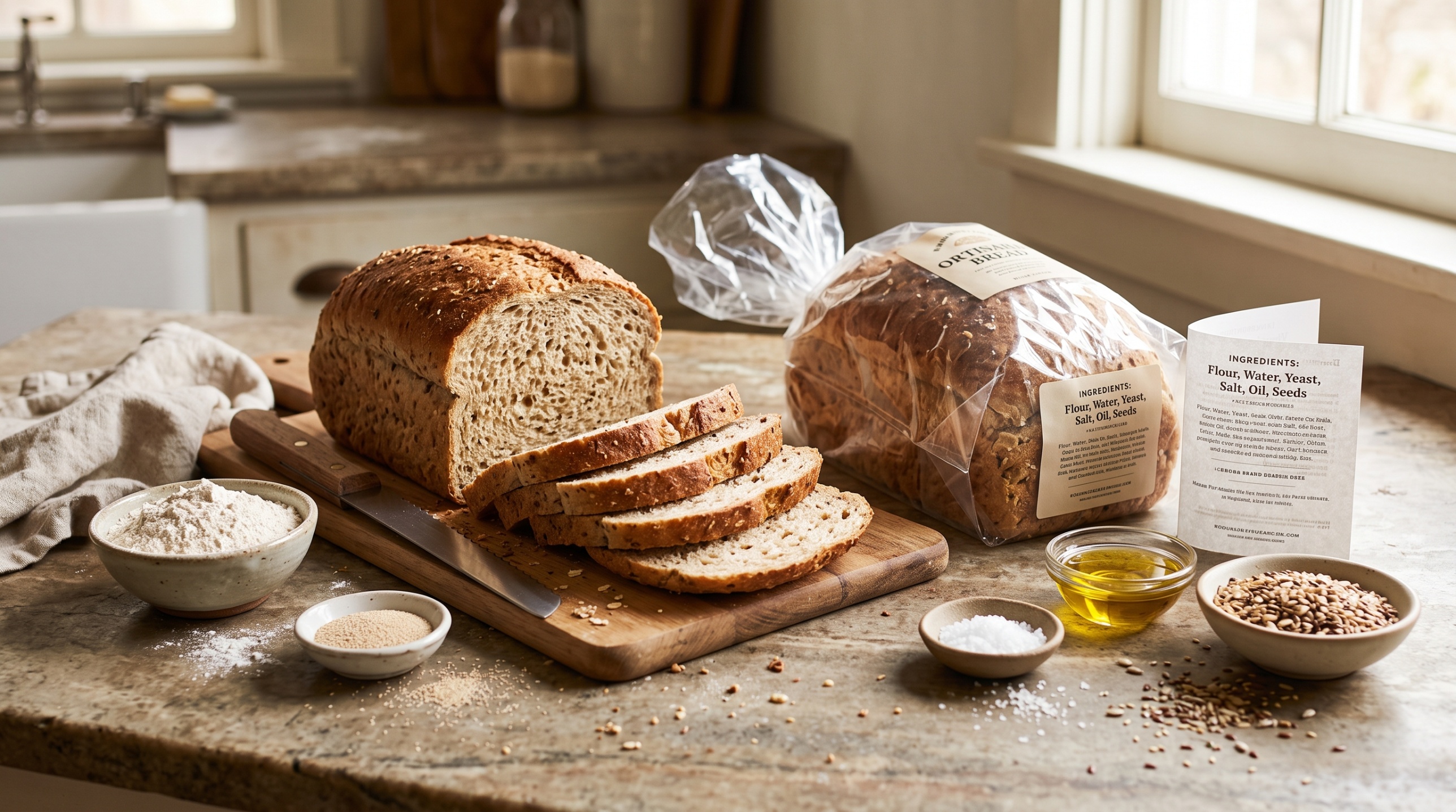
Potassium Bromate
Why to be cautious: Added to flour to strengthen dough and help bread rise higher. It has been banned in the European Union, Canada, and several other countries due to studies linking it to thyroid dysfunction and cellular toxicity.
Smart swap: Look for “unbromated flour” on bread labels or choose organic baked goods.
Phthalates (Migrated Packaging Additives)
Why to be cautious: Phthalates migrate into fatty packaged foods (like processed cheeses, fast foods, and oils) from plastic tubing and gloves during manufacturing. Research connects maternal phthalate exposure to alterations in fetal hormone balance.
Smart swap: Minimize consumption of heavily processed, hot foods packaged in soft single-use plastics. Store and reheat food in glass or stainless steel.
Category 4: Dyes, Artificial Sweeteners & Flavor Enhancers
Saccharin
Why to be cautious: Unlike newer low-calorie sweeteners, saccharin crosses the placenta and clears very slowly from fetal tissues.
Smart swap: If you want a zero-calorie sweetener, options like Stevia or Monk Fruit extract have cleaner safety profiles during pregnancy, or stick to small amounts of raw honey or pure maple syrup.
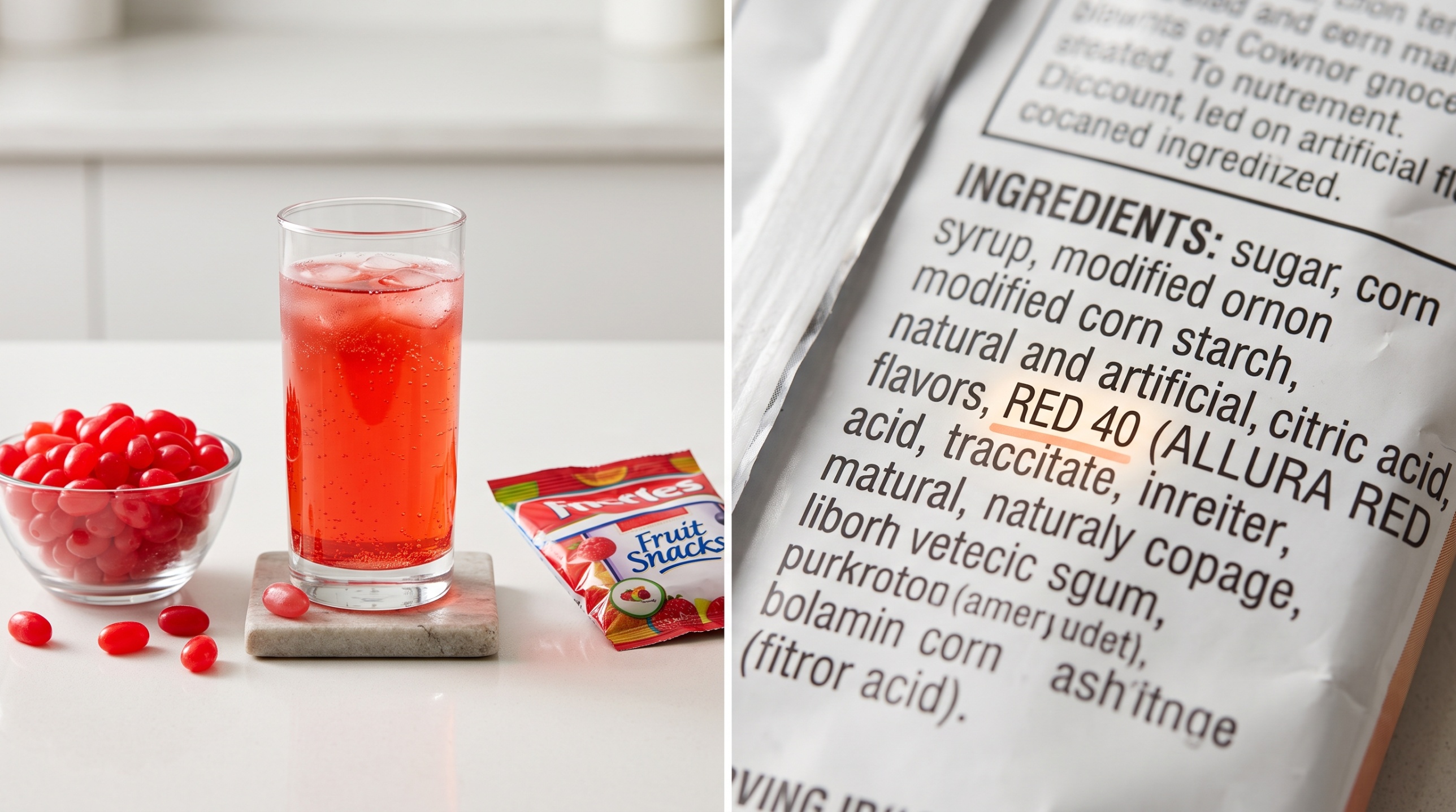
Synthetic Food Dyes (Red 40, Yellow 5, Yellow 6)
Why to be cautious: Petroleum-based synthetic colors are common in candies, flavored drinks, and snack foods. Emerging research links artificial dyes to heightened systemic inflammation and neuro-behavioral impacts during child development.
Smart swap: Look for foods colored naturally with beet juice, turmeric, spirulina, or paprika extract.
High Amounts of Added MSG (Monosodium Glutamate)
Why to be cautious: While MSG is generally safe in culinary amounts, concentrated additive forms in fast food can trigger headaches, water retention, or flushing in sensitive pregnant women.
Smart swap: Season meals with nutritional yeast, garlic, onion, and dried herbs for natural savory flavor.
Category 5: Trans Fats, Refined Sugars & Emulsifiers
Partially Hydrogenated Oils (Industrial Trans Fats)
Why to be cautious: Trans fats raise LDL (“bad”) cholesterol and drive inflammation. Studies indicate that high trans fat intake during pregnancy increases preeclampsia risk and impairs placental nutrient transport.
Smart swap: Choose heart-healthy fats like extra virgin olive oil, avocado oil, or butter in moderation.
High Fructose Corn Syrup (HFCS)
Why to be cautious: HFCS causes sharp spikes in blood glucose and insulin levels. Consuming concentrated refined sugars during pregnancy increases the risk of excessive gestational weight gain and gestational diabetes.
Smart swap: Satisfy sweet cravings with fiber-rich fresh fruits (berries, apples, oranges) that help stabilize blood sugar.
Carrageenan
Why to be cautious: Derived from red seaweed, carrageenan is an emulsifier and thickener used in dairy-free milks and deli meats. Research indicates degraded carrageenan can trigger gut inflammation and disrupt delicate digestive health.
Smart swap: Look for plant-based milks that list simple ingredients (like filtered water and organic oats or almonds) without added thickeners.
Category 6: Stimulants, Botanicals & Concentrated Additives
High-Dose Caffeine (Exceeding 200 mg per day)
Why to be cautious: Caffeine is a central nervous system stimulant that readily crosses the placenta. ACOG guidelines warn that high caffeine intake (over 200 mg daily, or ~2 cups of coffee) increases the risk of lower birth weight and restricted fetal growth.
Smart swap: Keep daily coffee to one 8–10 oz cup (approx. 100 mg caffeine) or switch to decaf or peppermint tea.
Licorice Root (Glycyrrhizin)
Why to be cautious: Real licorice root contains glycyrrhizin, a compound that can weaken the placental barrier against stress hormones (cortisol). High consumption has been linked in research to pre-term labor.
Smart swap: Enjoy teas naturally flavored with anise or fennel instead of real licorice root.
High-Dose Pre-Formed Vitamin A (Retinol / Retinyl Palmitate)
Why to be cautious: While Vitamin A is crucial, pre-formed Vitamin A (retinol) in high concentrations (found in liver dishes or heavy fortified supplements) accumulates in the body and can cause birth defects.
Smart swap: Get your Vitamin A safely from beta-carotene (carrots, sweet potatoes, spinach), which your body converts to Vitamin A only as needed!
Titanium Dioxide (E171)
Why to be cautious: Used as a whitening agent in candies, frostings, and coffee creamers. The European Food Safety Authority (EFSA) concluded titanium dioxide is no longer safe as a food additive due to DNA damage (genotoxicity) concerns.
Smart swap: Choose organic or additive-free creamers and sweets.
At-a-Glance Reference Table
| Ingredient / Additive | Primary Concern During Pregnancy | Safe & Nourishing Swap |
|---|---|---|
| High-Mercury Fish | Heavy metal neurological risks | Wild Salmon, Sardines, Light Tuna |
| Unpasteurized Soft Cheese | Risk of Listeria infection | Pasteurized Feta, Brie, or Cheddar |
| Raw Sprouts | E. coli & Salmonella contamination | Cooked veggies, washed romaine |
| Sodium Nitrites/Nitrates | Nitrosamine formation & oxidative stress | Uncured meats, fresh chicken or turkey |
| Propylparaben | Hormone & endocrine disruption | Fresh bakery bread, paraben-free wraps |
| BHA & BHT | Synthetic oxidation chemical | Mixed tocopherols (Vitamin E), Rosemary extract |
| Potassium Bromate | Thyroid & cellular toxicity risks | Unbromated or organic flour products |
| Saccharin | Crosses placenta & clears slowly | Stevia, Monk Fruit, or small amounts of honey |
| Synthetic Dyes (Red 40, Yellow 5) | Neuro-behavioral & inflammatory impact | Natural colors (Beet juice, Turmeric) |
| Partially Hydrogenated Oils | Trans fat; preeclampsia risk | Extra virgin olive oil, Avocado oil |
| High Fructose Corn Syrup | Glucose spikes; gestational diabetes risk | Whole fresh fruits, real maple syrup |
| Carrageenan | Intestinal inflammation & gut strain | Simple 2-ingredient plant milks |
| Excessive Caffeine (>200mg) | Fetal growth restriction | 1 small cup coffee/day, Decaf, Herbal tea |
| Licorice Root (Glycyrrhizin) | Linked to pre-term labor risks | Anise or Fennel tea |
| Retinol / Retinyl Palmitate | High doses cause birth defects | Beta-carotene (Carrots, Sweet Potatoes) |
| Titanium Dioxide | DNA damage (genotoxicity) concerns | Additive-free frostings & organic creamers |
How IntelliEats Helps You Explore Food Labels During Pregnancy
Standing in a busy grocery aisle reading microscopic text on the back of every box is exhausting—especially when you're dealing with pregnancy fatigue. You shouldn't have to memorize dozens of chemical names just to protect your nutrition!
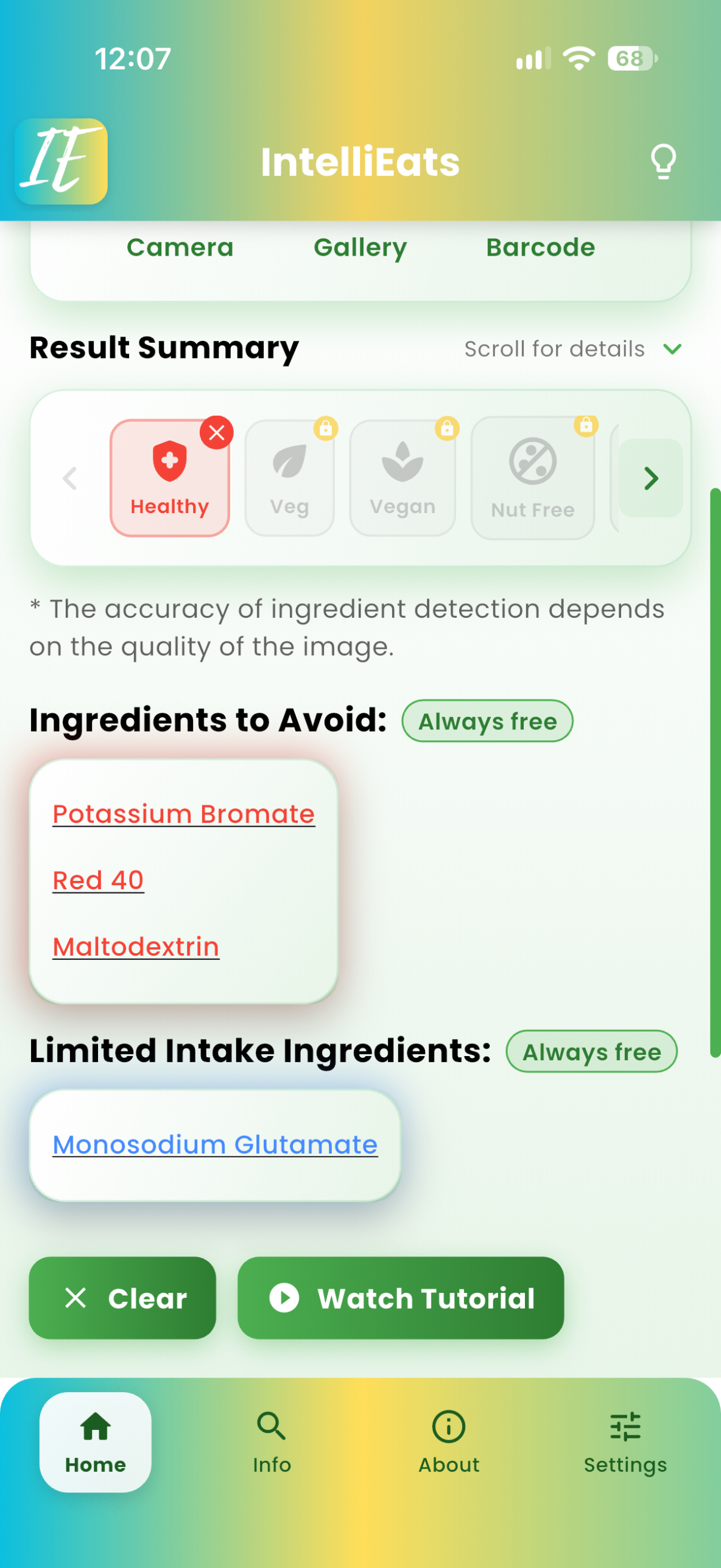
- Instant Food Label Scanning. Using your phone camera or uploading a saved photo from your gallery, IntelliEats instantly scans any packaged food's ingredient list.
- Highlights Ingredients for Further Review. The app can identify ingredient names for further reading. It cannot establish whether a food is safe during pregnancy or replace manufacturer information or medical guidance.
- Explore Supporting Research. IntelliEats includes research citations. Check the referenced source and its limitations, and verify important details with your healthcare team.
- Free Ingredient Education. IntelliEats offers free ingredient-scanning information with optional premium features. Consult the current privacy policy for information about data practices.
Common Myths About Pregnancy Food Labels
Myth: Every packaged food is unsafe during pregnancy.
Fact: Many packaged foods, including pasteurized dairy, frozen vegetables, canned beans, and whole-grain products, can fit into a nourishing pregnancy diet. The goal is to read labels and choose products that align with your needs.
Myth: “Natural” or “organic” always means pregnancy-safe.
Fact: Marketing terms do not replace label reading. Check for pasteurization, serving guidance, and the ingredients that matter to you.
Myth: You need to memorize every additive name.
Fact: You do not. Start with the foods you buy most often, compare similar products, and use a label scanner when an ingredient list feels hard to interpret.
Myth: One ingredient determines whether a food is healthy.
Fact: Consider the whole product, how often you eat it, food-safety guidance, and your clinician’s advice—not one ingredient in isolation.
Frequently Asked Questions
Should I eliminate all processed foods during pregnancy?
Not necessarily. Focus on a balanced eating pattern, choose minimally processed options more often, and follow personalized advice from your healthcare team.
Are all deli meats unsafe during pregnancy?
Food-safety guidance can vary. The article’s practical recommendation is to heat deli meats until steaming hot (165°F) before eating; ask your clinician for guidance tailored to you.
How much caffeine is recommended during pregnancy?
ACOG guidance cited in this article advises keeping caffeine below 200 mg per day. A clinician can help you interpret this for your usual coffee, tea, or energy drinks.
Can IntelliEats replace advice from my obstetrician or dietitian?
No. IntelliEats can help you identify and understand ingredients while shopping, but it does not replace medical, nutritional, or dietary advice.
Eat Smarter for Two
Download the free IntelliEats app on iOS or Android today to scan packaged foods and protect your family from hidden additives with a single tap!
Related IntelliEats Articles
Continue learning about food ingredients:
References & Further Reading
- American College of Obstetricians and Gynecologists (ACOG). Moderate Caffeine Consumption During Pregnancy. ACOG Committee Opinion No. 462.
- U.S. Food and Drug Administration (FDA). Advice About Eating Fish: For Those Who Might Become or Are Pregnant or Breastfeeding.
- European Food Safety Authority (EFSA). Safety assessment of Titanium Dioxide (E171) as a food additive. EFSA Journal.
- Centers for Disease Control and Prevention (CDC). Listeria (Listeriosis) and Pregnancy: Prevention and Risk Factors.
Research & Regulatory Further Reading
The sources below provide background on food labeling, regulation, and research relevant to this topic. They do not establish that any individual ingredient is harmful at typical food exposure levels.
Medical Disclaimer
The information in this article is provided for educational purposes only and is not intended as medical, nutritional, or dietary advice. Ingredients approved by regulatory authorities are considered safe when used within established limits. Always consult a qualified healthcare professional or registered dietitian for guidance tailored to your personal health needs. See our Editorial Policy to learn how we research and review our content.