IntelliEats

Know Your Ingredients. Make Informed Food Choices.

Understand What’s Really in Your Food

Have you ever looked at a food package and wondered what ingredients like sodium benzoate, soy lecithin, or xanthan gum actually mean? Food labels contain valuable information, but unfamiliar ingredient names, food additives, and complicated nutrition terminology can make them difficult to understand.

IntelliEats makes food ingredient information easier to explore. Simply scan or upload a picture of a food ingredient label to discover ingredient explanations, understand their purposes, and explore research-based information with supporting citations.

Whether you’re a parent comparing snacks, a health-conscious shopper, or simply curious about what goes into packaged foods, IntelliEats helps you make informed choices.

Understand more. Guess less. Eat intelligently.

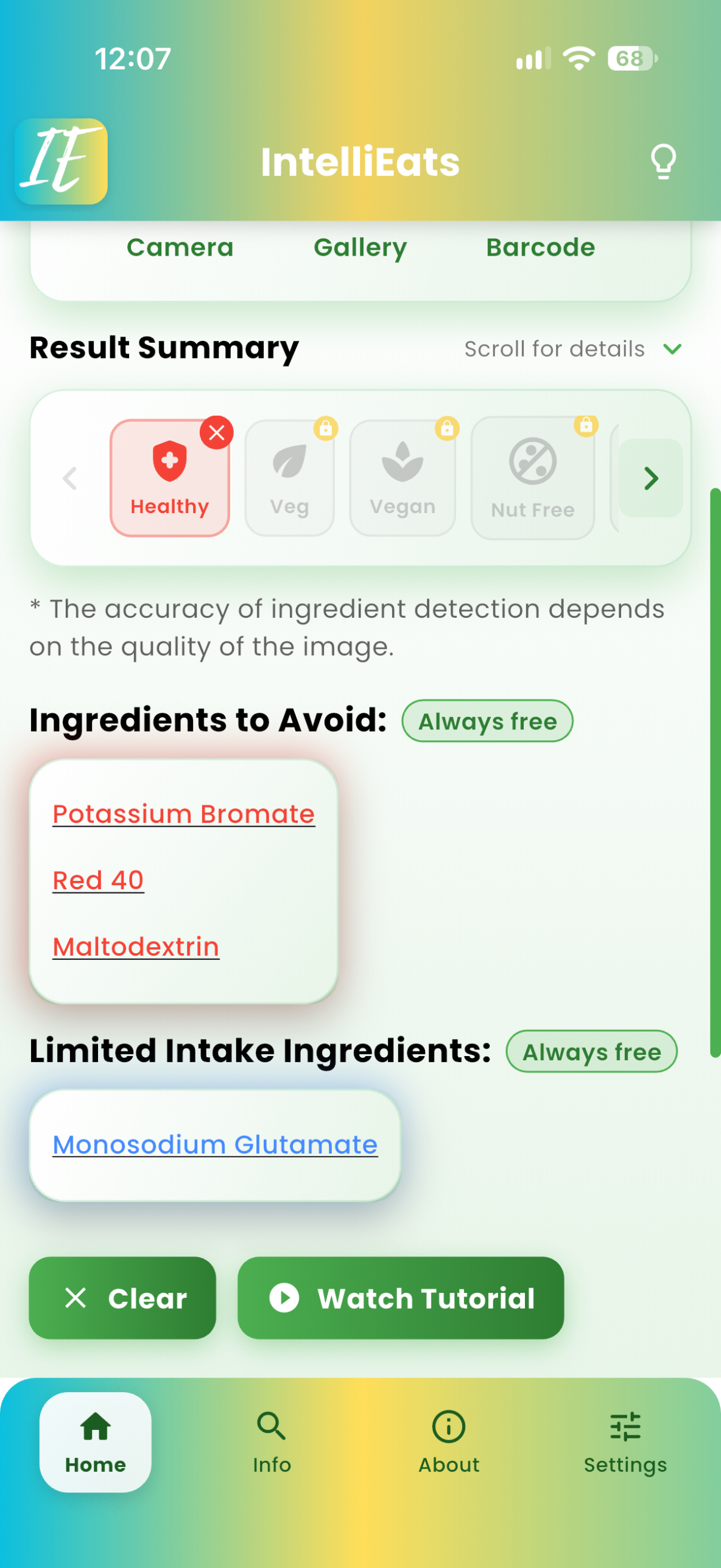
IntelliEats app showing scan results grouped into ingredient categories
IntelliEats app screens showing ingredient detection and dietary preference settings

What Is IntelliEats?

Food Ingredient Knowledge Made Simple

IntelliEats is an educational food ingredient analysis application created to make food labels easier to understand.

Modern packaged foods may contain dozens of ingredients, including preservatives, stabilizers, flavor enhancers, emulsifiers, sweeteners, and food colors. Each ingredient can serve a different purpose. Some help preserve freshness, others maintain texture, improve taste, or support product consistency.

However, ingredient names alone rarely explain what those substances actually do. IntelliEats helps bridge that information gap. By combining mobile ingredient scanning, educational explanations, and scientific references, our goal is to help users understand the ingredients behind everyday food products.

Why Does Understanding Ingredients Matter?

Imagine comparing two packages of crackers:

Crackers A

Wheat flour, vegetable oil, salt, sugar.

Crackers B

Wheat flour, vegetable oil, salt, an emulsifier, and a preservative.

Which product is healthier? You cannot reliably determine that from the ingredient list alone. The nutritional composition, serving size, ingredients, quantity consumed, and individual dietary needs all contribute to the decision.

An unfamiliar ingredient is not automatically harmful. Likewise, a short ingredient list does not automatically mean a food is healthier. At IntelliEats, we believe that knowledge is more valuable than fear-based food judgments.

Our mission is to encourage thoughtful food choices through accessible, evidence-informed education.
Understanding Food Labels

Five Things Everyone Should Know About Packaged Foods

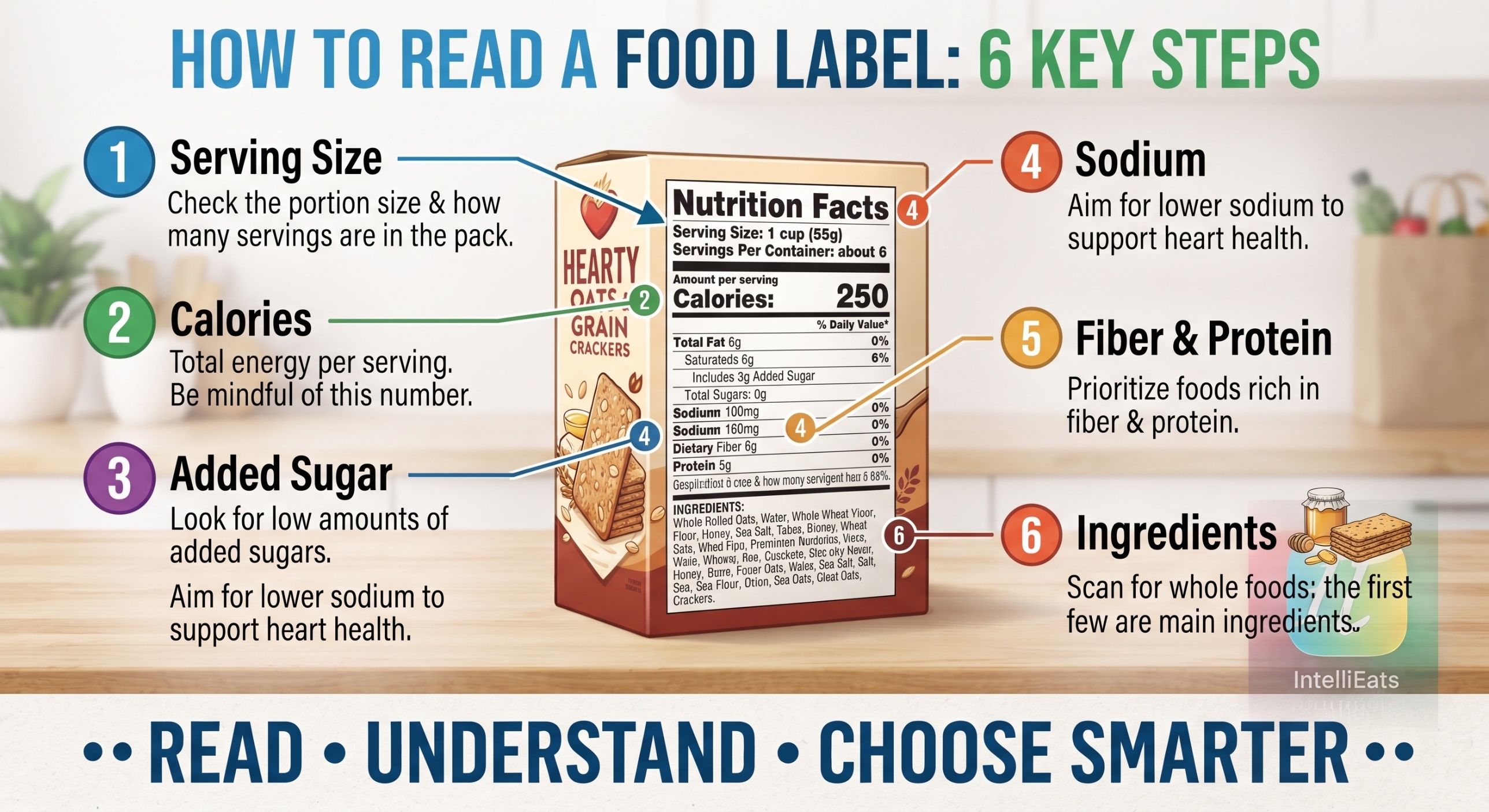
Learning to interpret food labels is one of the most useful skills for comparing packaged food products. Here are five important concepts every consumer should understand.

1 of 5

Ingredients Are Listed by Weight

On most packaged foods sold in the United States, ingredients are listed in descending order of weight. The ingredient contributing the greatest weight generally appears first.

However, the ingredient list does not generally disclose the exact amount of each ingredient.

Example: Whole wheat flour, sugar, vegetable oil, cocoa powder, salt, soy lecithin. Here, whole wheat flour contributes the greatest weight.

Practical tip: Review the first few ingredients to understand the product’s composition, but also check its Nutrition Facts panel.

2 of 5

Food Additives Serve Specific Purposes

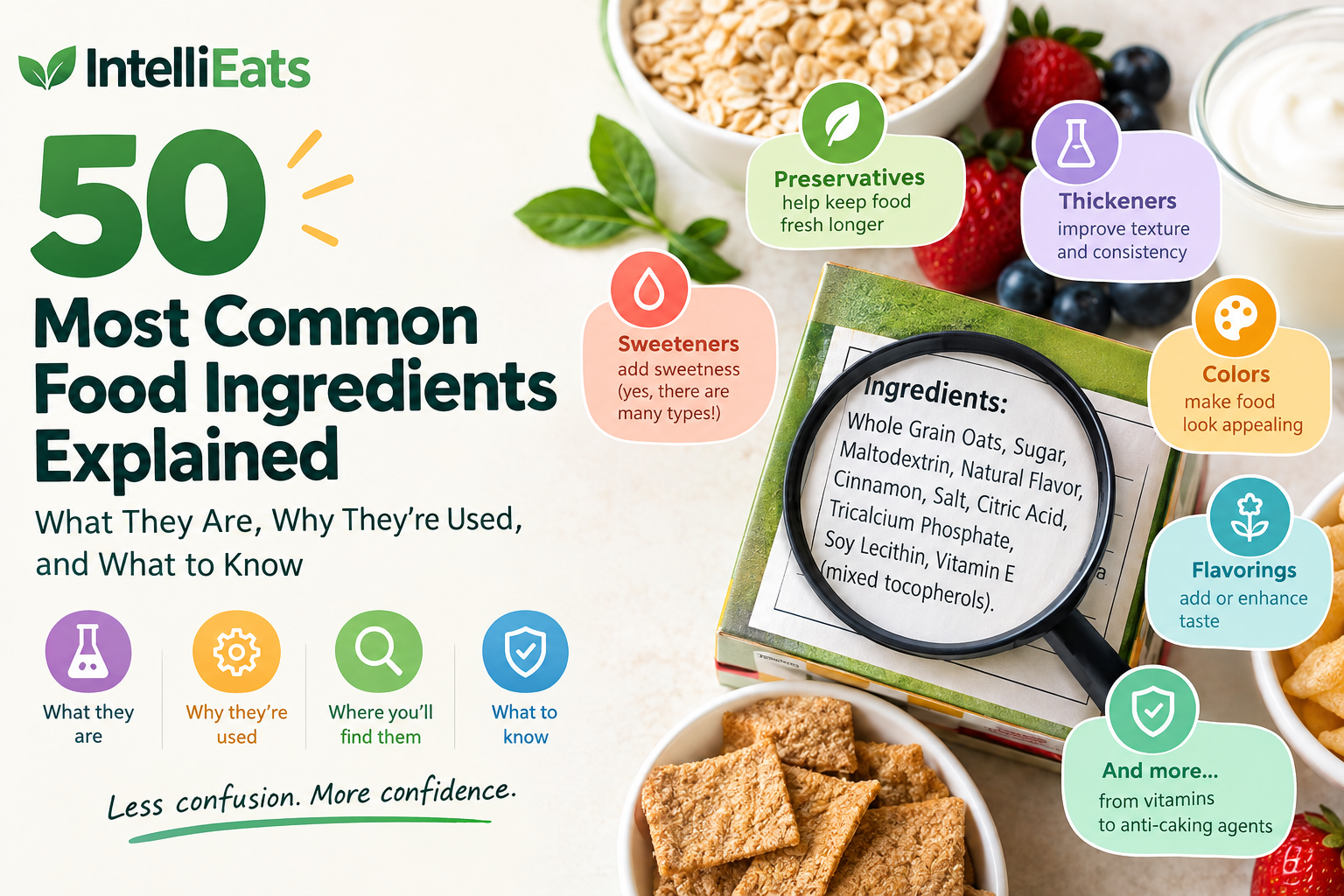
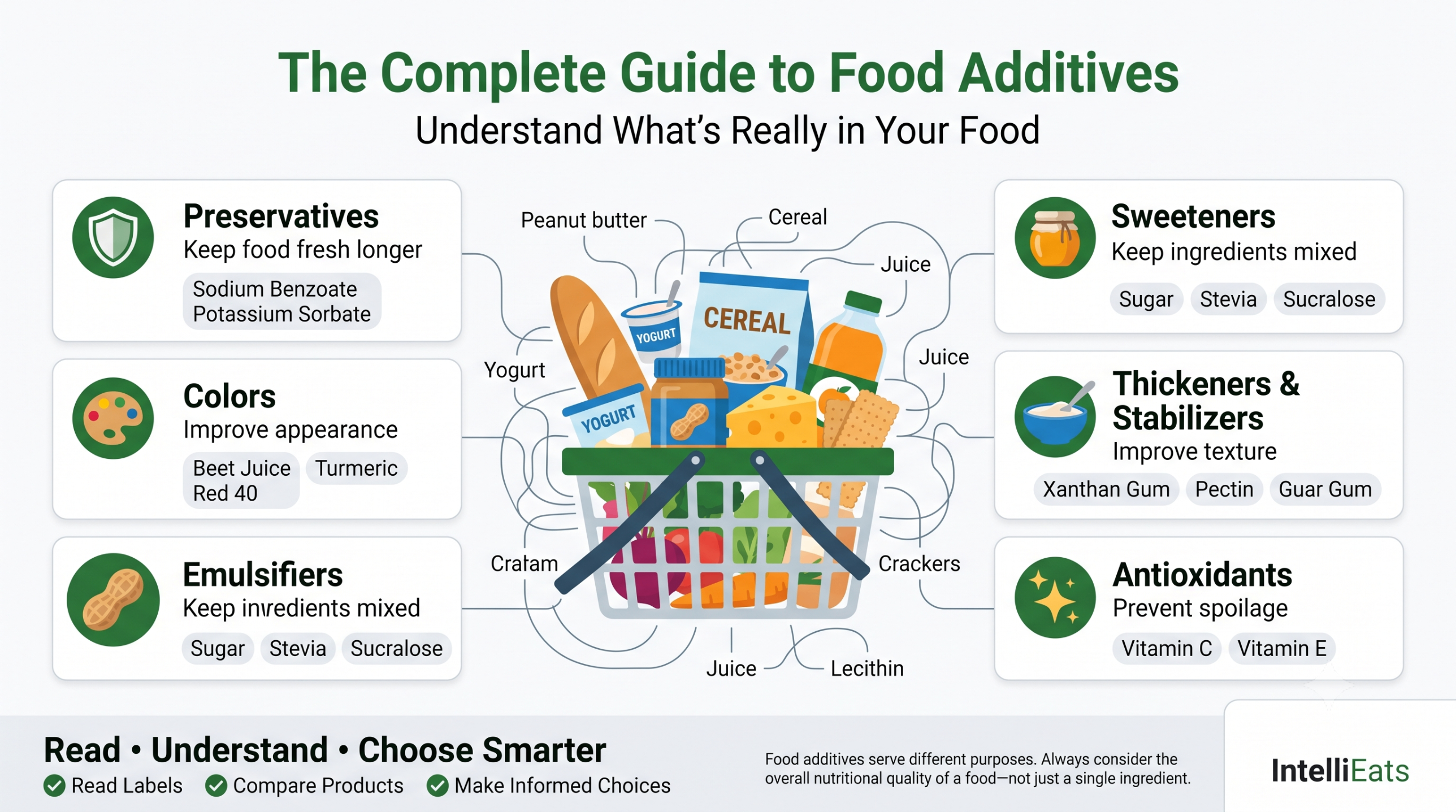
Food manufacturers use additives for various technological and functional reasons. Common categories include:

  • Preservatives: Help slow spoilage or prevent undesirable changes.
  • Emulsifiers: Help ingredients such as oil and water mix.
  • Stabilizers: Help maintain texture and consistency.
  • Food colors: Add or restore color.
  • Sweeteners: Provide sweetness.
  • Thickeners: Help achieve a desired texture.

Example: Soy lecithin is often used in chocolate to help maintain a smooth, consistent mixture.

Practical tip: The presence of an additive does not automatically mean a product is unsafe. Its intended use, level of exposure, applicable regulations, and scientific evidence all matter.

3 of 5

Serving Size Can Change Your Interpretation

The Nutrition Facts panel generally reports values for a specified serving size. The same multiplication applies to sodium, added sugars, saturated fat, and other nutrients.

Example: Serving size 30 g · 150 calories per serving · 3 servings per package. Eat the entire package and you consume approximately 450 calories.

Practical tip: Compare your actual portion with the serving size listed on the package.

4 of 5

Total Sugar Is Different From Added Sugar

Total sugars include naturally occurring sugars and sugars added during processing. Added sugars may come from table sugar, honey, corn syrup, and other sweeteners.

The U.S. Nutrition Facts panel separately identifies added sugars.

Example: Plain milk naturally contains lactose, while sweetened flavored milk may contain both naturally occurring sugar and added sugar.

Practical tip: When comparing similar products, check added sugars per serving rather than looking only at total sugar.

5 of 5

Ingredients and Nutrition Facts Tell Different Stories

An ingredient list tells you what was used to make a food. A Nutrition Facts panel tells you how much of certain nutrients and calories a serving contains. Both are important.

Similarly, the presence of an approved food additive does not automatically make a food nutritionally inferior.

Example: A food with a short ingredient list may still contain significant amounts of sodium, saturated fat, or added sugar.

Practical tip: Understand the complete food label instead of judging a product by one ingredient.

Learn more from the FDA’s Guide to Understanding the Nutrition Facts Label

Five Common Food Ingredients Explained

What’s Really Inside Packaged Foods?

Some ingredient names sound complicated, but understanding their functions can make food labels less intimidating. Let’s explore five common examples.

Citric Acid

Commonly found in: Soft drinks, candies, jams, sauces, and flavored beverages.

Why is it added?
Citric acid provides a sour or tart flavor and helps control acidity. It can also support certain preservation functions.
What does science say?

Citric acid occurs naturally in citrus fruits and is also manufactured for food use.

It has well-established uses in food processing and is generally recognized as safe for its intended uses under applicable conditions.

What should consumers know? Its presence alone does not indicate that a product is unhealthy. When evaluating a soft drink, its added sugar content may be more relevant nutritionally than the mere presence of citric acid.

Soy Lecithin

Commonly found in: Chocolate, cookies, baked goods, and confectionery.

Why is it added?
Soy lecithin acts as an emulsifier, helping ingredients combine and maintain a desirable texture.
What does science say?

Lecithin consists of phospholipids and is used in many processed foods.

It has established food applications under applicable regulatory conditions.

What should consumers know? Individuals managing soy allergies should review allergen labeling carefully. Suitability may depend on the specific product and individual circumstances.

Sodium Benzoate

Commonly found in: Certain beverages, sauces, condiments, and acidic foods.

Why is it added?
Sodium benzoate helps inhibit the growth of certain microorganisms, particularly in acidic products.
What does science say?

Sodium benzoate is permitted for specified food uses under applicable regulatory conditions.

Research has examined the possible formation of benzene in some beverages containing benzoate salts and ascorbic acid under particular formulations and storage conditions. These findings do not mean that every product containing sodium benzoate contains benzene or is unsafe.

What should consumers know? Ingredient safety assessments depend on usage conditions, exposure, and scientific evidence—not merely the presence of a particular substance.

Ascorbic Acid (Vitamin C)

Commonly found in: Fruit beverages, packaged fruit products, cereals, and other foods.

Why is it added?
Ascorbic acid may be added as an antioxidant to help protect product quality or as a source of vitamin C.
What does science say?

Ascorbic acid is vitamin C, an essential nutrient involved in several biological functions.

Its use in food may serve both nutritional and technological purposes.

What should consumers know? Scientific names can sound unfamiliar even when they describe well-known nutrients.

Xanthan Gum

Commonly found in: Salad dressings, sauces, gluten-free products, and frozen desserts.

Why is it added?
Xanthan gum is a thickener and stabilizer that helps foods maintain their texture.
What does science say?

It is produced through microbial fermentation and has established food uses under applicable regulatory conditions.

Some individuals may experience digestive discomfort when consuming larger amounts.

What should consumers know? The amount consumed and individual tolerance matter more than the unfamiliarity of the ingredient’s name.

How IntelliEats Works

From Ingredient Labels to Understandable Information

IntelliEats makes it easier to explore the ingredients in packaged foods.

  1. Step 1

    Scan or Upload a Food Label

    Open the IntelliEats app and capture a photo of a packaged food’s ingredient list using your smartphone camera. You can also upload an existing image from your photo gallery.

    For best results, use a clear, readable image with good lighting.

    IntelliEats home screen with Camera and Gallery options for scanning an ingredient label
  2. Step 2

    Identify the Ingredients

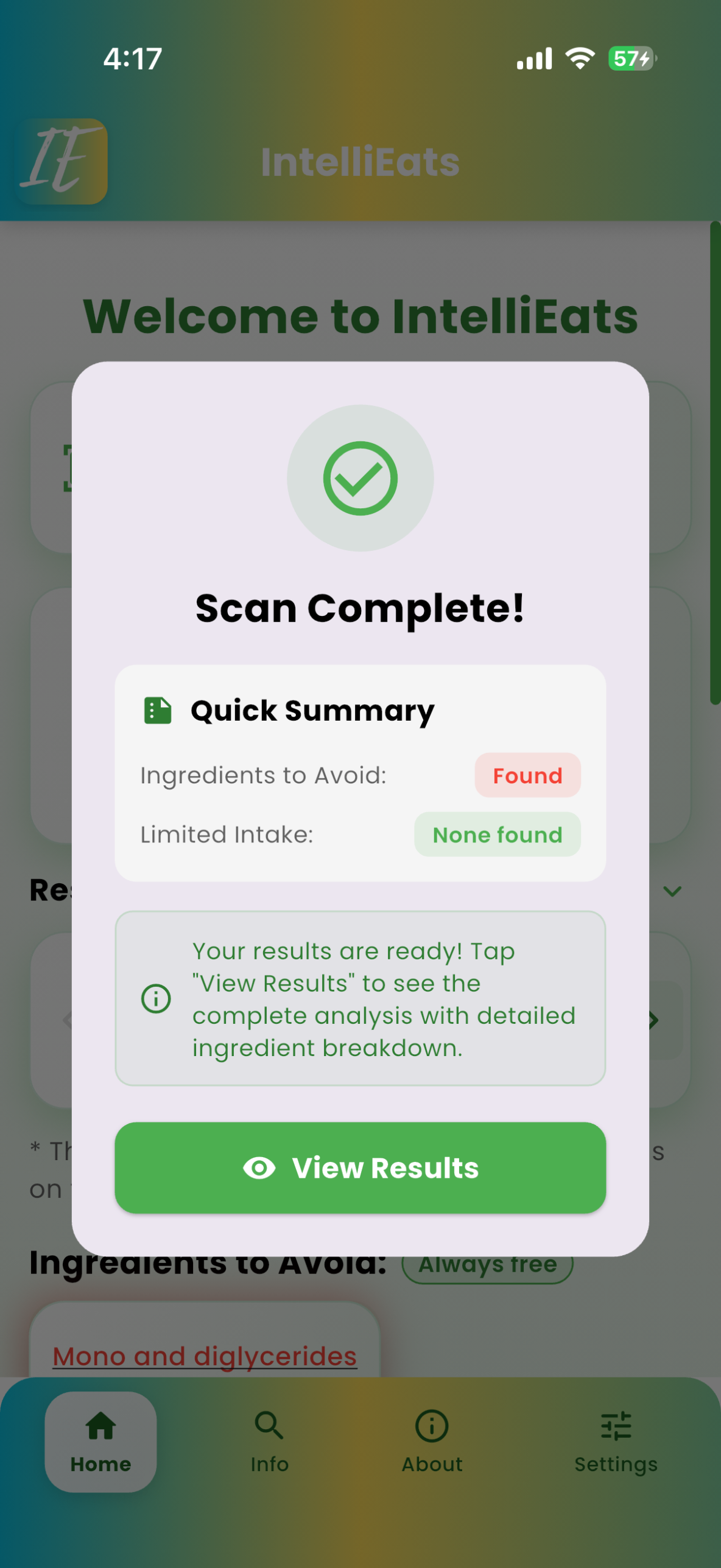
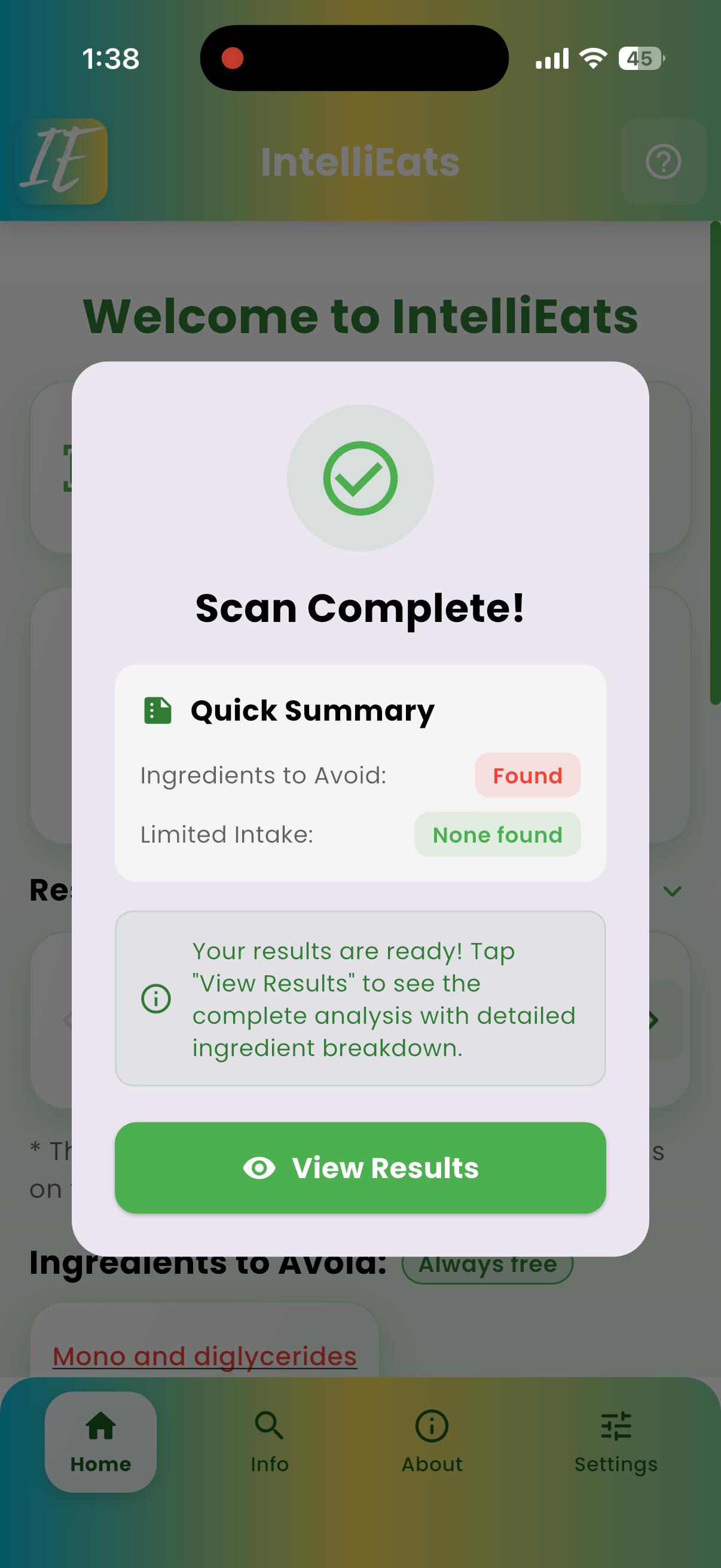
    IntelliEats processes the image and identifies food ingredients that can be explored further. The app helps make unfamiliar ingredient terminology easier to understand.

    Always check the recognized ingredients against the original product packaging, especially if the photograph is blurry or incomplete.

    IntelliEats Scan Complete summary showing the ingredients identified from a label
  3. Step 3

    Explore Ingredient Information

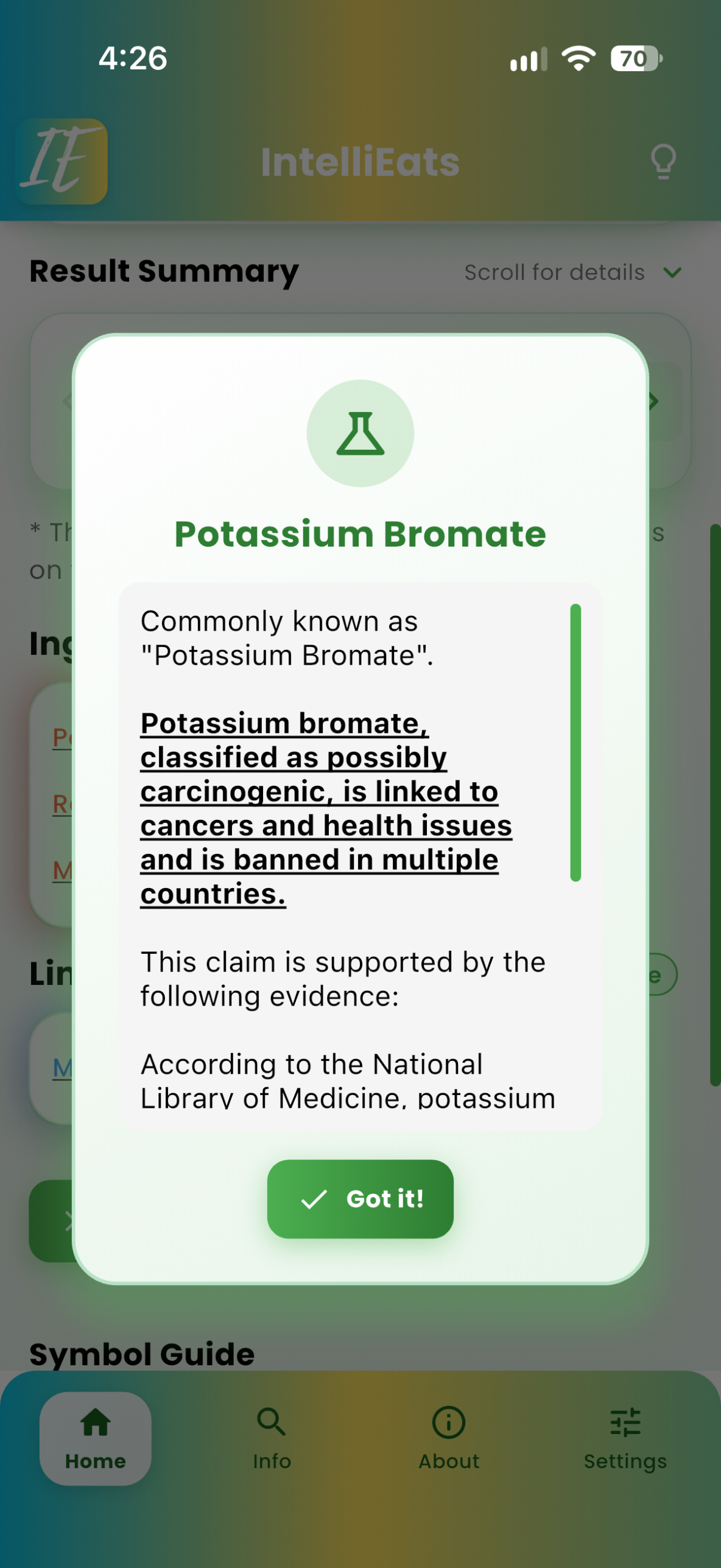
    Learn why ingredients are used and review educational information about their common applications and relevant considerations.

    IntelliEats includes research citations in the app so users can explore supporting scientific information.

    IntelliEats ingredient detail for Potassium Bromate with an explanation and supporting evidence
  4. Step 4

    Explore Dietary Preferences

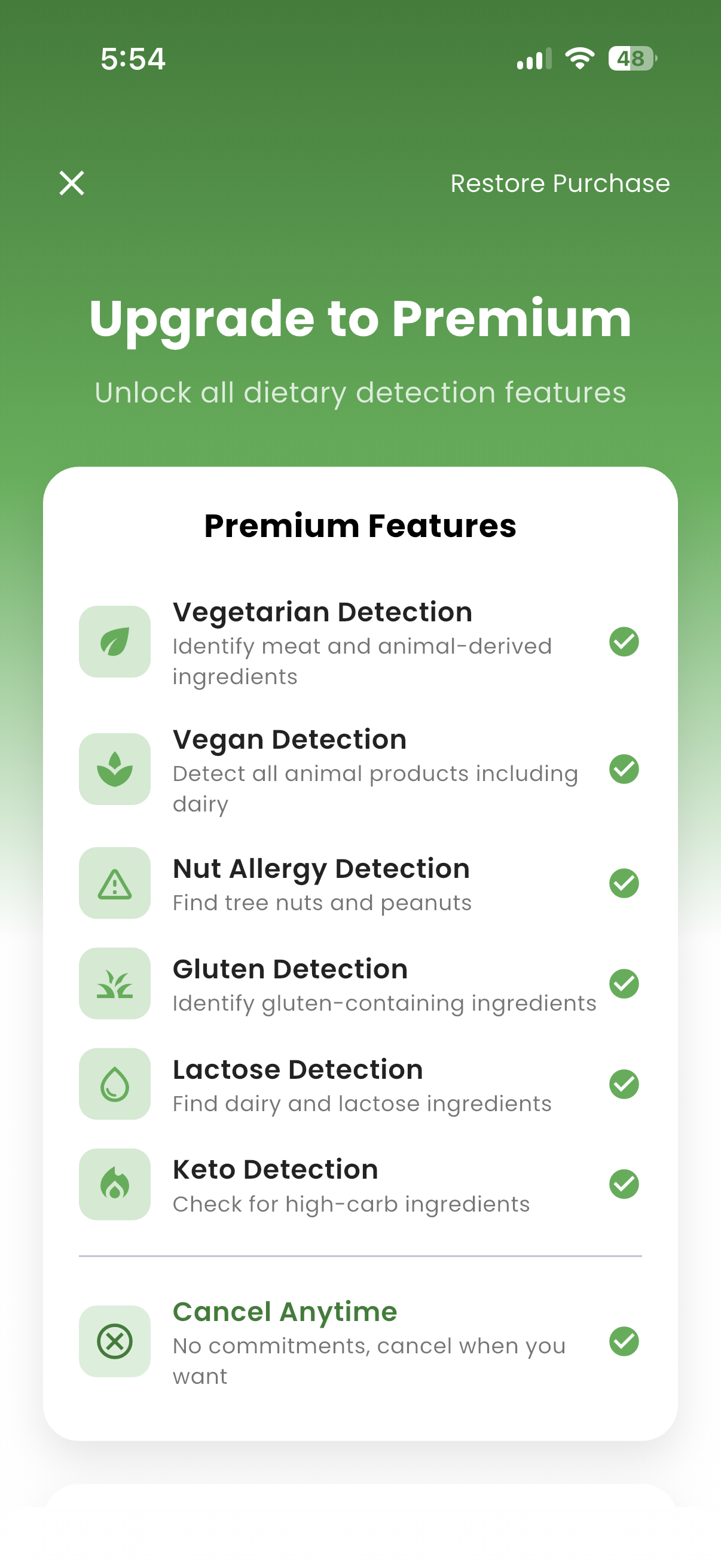
    Optional premium features provide additional ingredient-related information for dietary preferences, including vegetarian, vegan, gluten-free, nut-free, lactose-related, and keto considerations.

    These features are educational tools and should not replace manufacturer confirmation, certified labeling, or professional guidance when dietary restrictions are medically important.

    IntelliEats detection settings listing vegetarian, vegan, nuts, gluten, lactose, and keto premium options
  5. Step 5

    Make Your Own Informed Choice

    Use the information to understand unfamiliar ingredients, compare packaged foods, and make decisions that align with your preferences.

    IntelliEats does not decide what you should eat. It provides additional information to help you make your own choices.

    IntelliEats scan results grouped into ingredient categories

Important: Automated ingredient analysis may contain errors or omissions. It cannot guarantee allergen absence, product safety, or suitability for any medical condition.

Explore Our Food Education Library

Research-Informed Learning for Everyday Food Choices

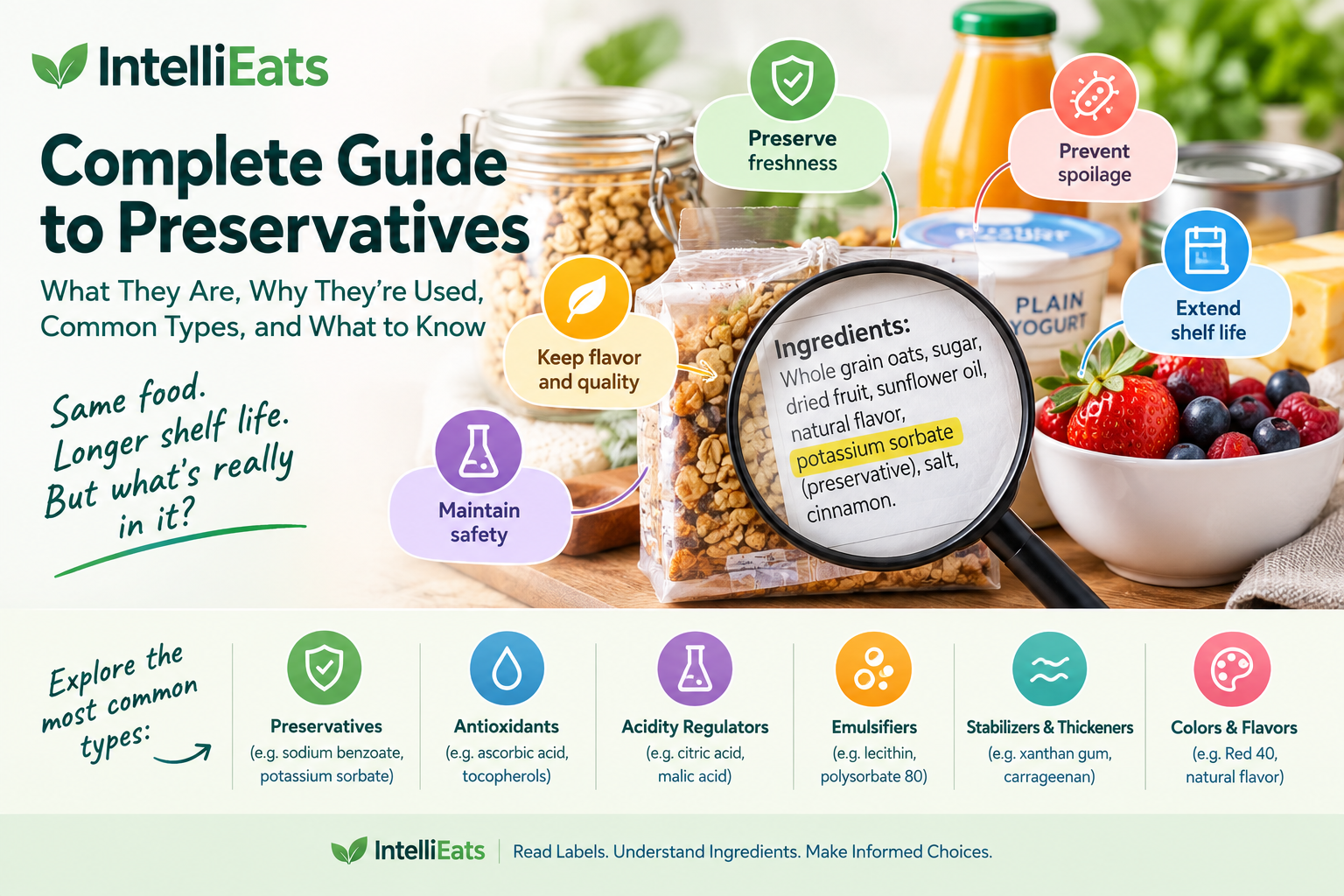
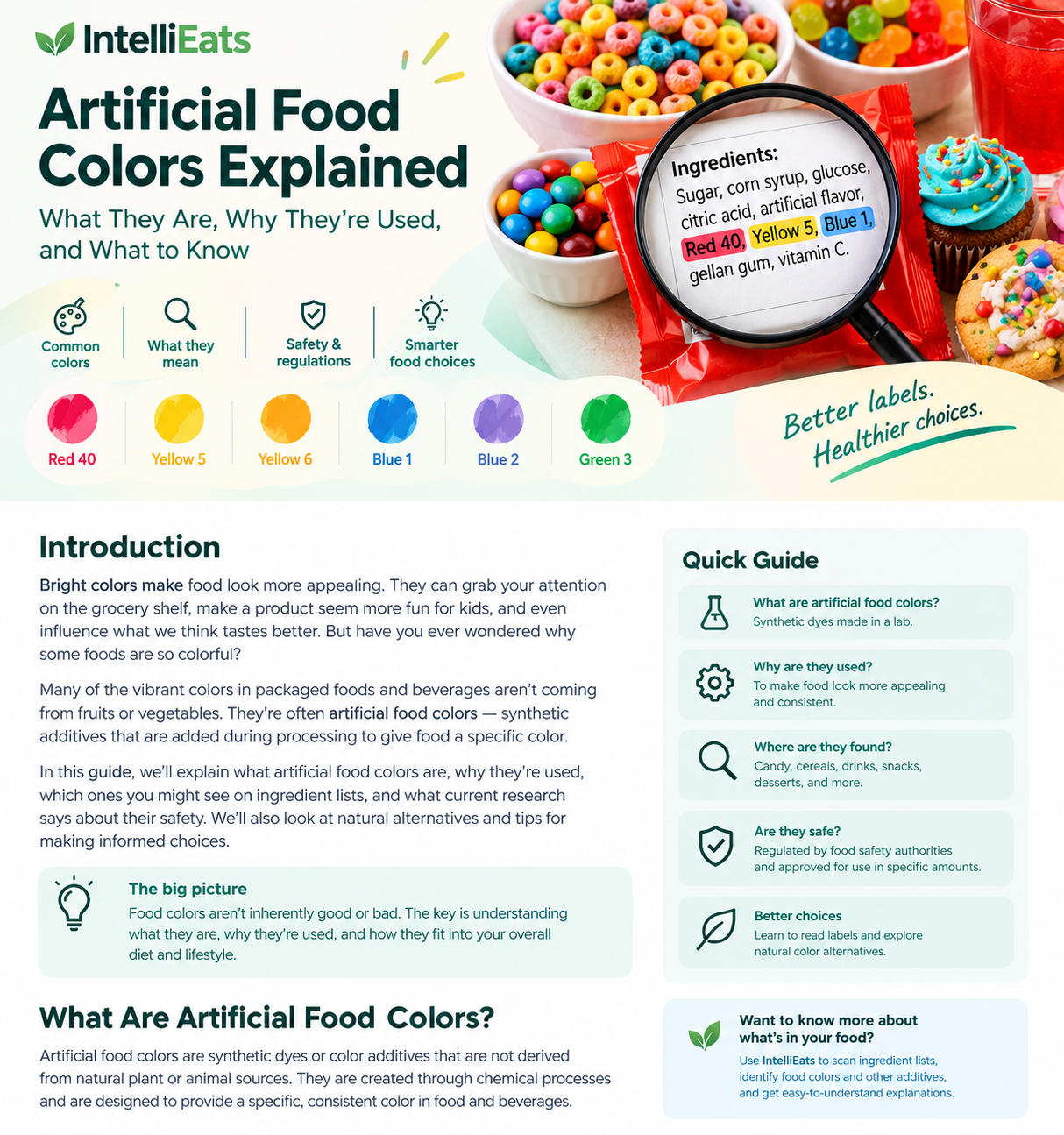
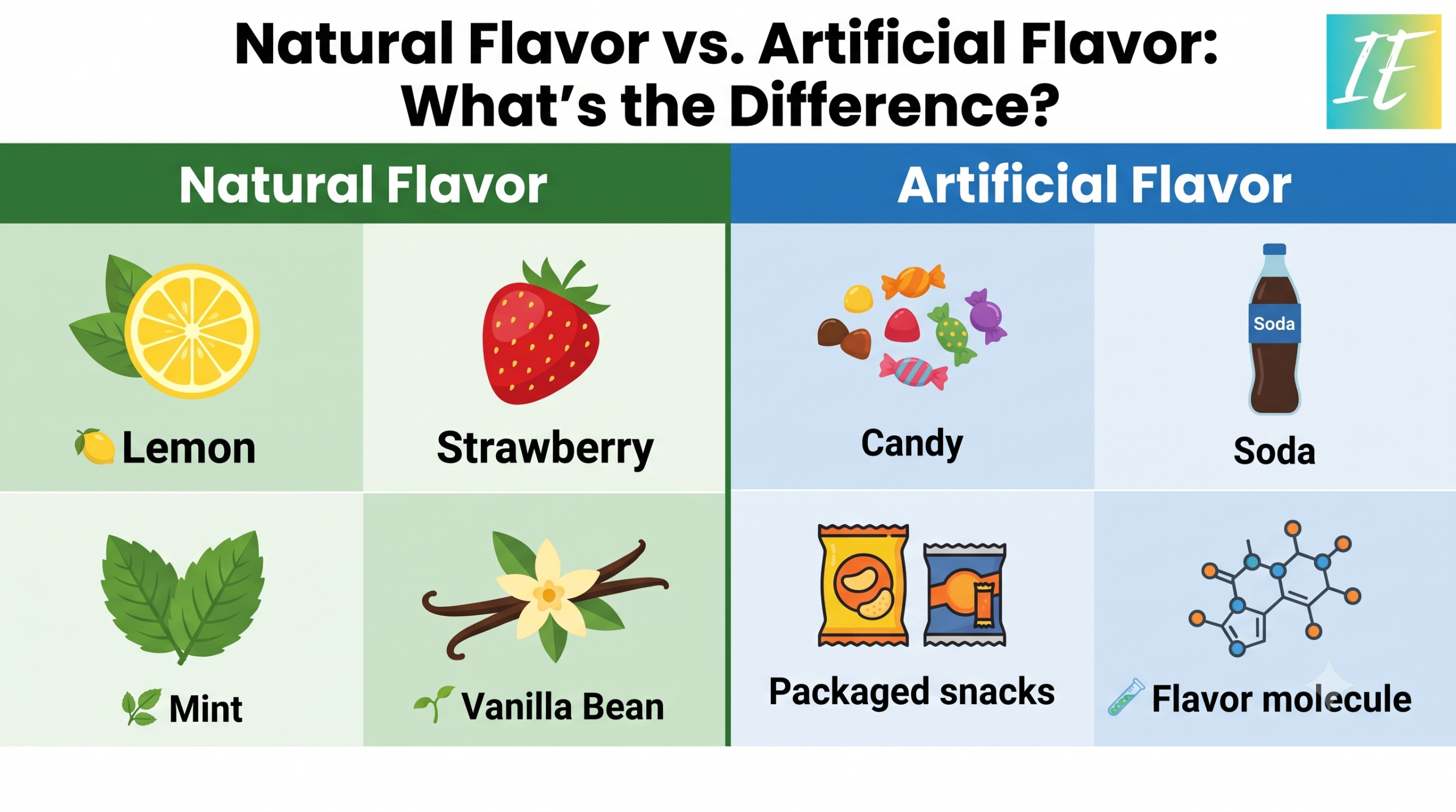
Food labels raise interesting questions. Why are preservatives added to food? Are natural flavors different from artificial flavors? What do food colors do? How should consumers interpret ingredient lists?

The IntelliEats Learning Center explores these topics through educational articles designed to make food science more approachable.

Explore All Articles

More from the Learning Center

Keep Learning

Our educational library aims to encourage curiosity, explain scientific concepts in accessible language, and help readers evaluate food information more thoughtfully.

Better food choices begin with better questions.

Our Scientific Approach

Evidence-Informed Information, Not Fear-Based Claims

At IntelliEats, we believe reliable food education should be based on credible information, scientific context, and transparency.

Our ingredient information draws on established regulatory authorities, public health organizations, clinical educational resources, and published research.

Sources That Inform IntelliEats

  • U.S. Food and Drug Administration (FDA)

    FDA resources provide information about food ingredient regulations, labeling requirements, permitted uses, and food safety.

    Explore FDA Food Ingredients and Packaging
  • World Health Organization (WHO)

    WHO publishes public health guidance and scientific information relevant to nutrition and food safety.

    Visit the World Health Organization
  • National Institutes of Health (NIH)

    NIH resources provide access to health and nutrition research, including scientific literature and educational materials.

    Explore NIH Resources
  • Mayo Clinic

    Mayo Clinic provides educational information about health, nutrition, and wellness.

    Visit Mayo Clinic
  • Published Scientific Research

    Peer-reviewed research and other published scientific studies can provide additional information about ingredient uses, biological effects, and potential concerns. Individual study findings should be interpreted according to study design, limitations, and relevance to real-world dietary exposure.

These organizations are information sources. They do not endorse, certify, or partner with IntelliEats.

Scientific References Within the IntelliEats App

IntelliEats includes citations alongside ingredient information to help users investigate supporting sources.

Our goal is to help users explore the reasoning and evidence behind ingredient explanations, rather than accept statements without context.

Our Educational Philosophy

We believe that scientific information should help people understand food, not make them unnecessarily afraid of it. The presence of a particular ingredient should not automatically be interpreted as proof that a food is harmful.

Similarly, the words “natural,” “organic,” or “healthy” should not replace thoughtful evaluation of nutritional information.

As scientific understanding evolves, we aim to improve the clarity and usefulness of the educational information available through IntelliEats. Readers are encouraged to explore cited sources and contact us with corrections or questions.

Our commitment is to support learning through scientific evidence, balanced explanations, and responsible communication.

How to Interpret Food Science

Scientific information about food ingredients can be complicated. An ingredient may be investigated in laboratory experiments, animal studies, or human studies. These approaches provide different kinds of evidence.

A result observed under one set of experimental conditions may not apply directly to ordinary food consumption. When learning about ingredients, consider:

Dose
How much of the ingredient is consumed?
Exposure
How frequently is it consumed?
Evidence
What kind of research supports the conclusion?
Context
How is the ingredient used in food?
Individual needs
Are allergies, intolerances, or medical conditions relevant?
Uncertainty
What remains unknown or under investigation?

Awards, Recognition, and Innovation

Recognized for Scientific Innovation

The IntelliEats project has received recognition through science and innovation competitions.

Science and Engineering Fair of Metro Detroit (SEFMD)

2024 — Junior & Elementary Grand Award

IntelliEats received a Grand Award at the Science and Engineering Fair of Metro Detroit (SEFMD). The competition recognizes student achievement in scientific research and engineering.

3M Young Scientist Challenge

2024 — Michigan State Merit Winner

Lakshya Matele was recognized as a Michigan State Merit Winner in the 2024 3M Young Scientist Challenge, a program associated with 3M and Discovery Education.

Patent-Pending Innovation

IntelliEats — Patent Pending

The IntelliEats innovation is the subject of a pending patent application. We are focused on developing technology and educational resources that make food ingredient knowledge easier to access and understand.

Awards recognize the science project and its student creators. They do not represent an endorsement of the IntelliEats app by 3M, Discovery Education, or SEFMD.

About IntelliEats

From a Science Project to a Food Education App

IntelliEats was founded, created, and developed by Nidhi Matele and Lakshya Matele.

The idea behind IntelliEats is simple: people should be able to understand the ingredients in their food without needing specialized scientific knowledge.

Every day, consumers encounter packaged foods containing ingredients they may not recognize. Searching for each ingredient individually can be time-consuming, and online information may be incomplete, contradictory, or unnecessarily alarming.

IntelliEats was developed to make that learning process more accessible by bringing together ingredient recognition, understandable explanations, and research references.

Our goal is not to tell people which foods to buy. It is to help them better understand the information available to them.

Our Mission

To empower consumers with understandable, evidence-informed food ingredient information through accessible technology and education.

Our Vision

A future where people can read food labels with greater understanding, evaluate ingredient information thoughtfully, and make choices that reflect their individual needs.

IntelliEats — Making Food Ingredient Knowledge Accessible to Everyone.

Frequently Asked Questions

Common Questions About Ingredients and IntelliEats

Is every food additive harmful?

No. Food additives serve many different functions, and their safety depends on their identity, intended use, exposure, and available scientific evidence.

Regulatory authorities establish requirements or conditions for many food additive uses. An unfamiliar ingredient name is not, by itself, evidence of harm.

Does a longer ingredient list mean a food is less healthy?

Not necessarily. The number of ingredients does not independently establish nutritional quality.

Serving size, nutrient composition, added sugars, saturated fat, sodium, dietary patterns, and individual needs may all be relevant.

Are natural ingredients always safer than artificial ingredients?

No. The source of an ingredient does not automatically determine its safety.

Both naturally occurring and manufactured substances can have beneficial uses or potential risks, depending on their properties and exposure.

Can IntelliEats determine whether a food is safe for someone with allergies?

No. IntelliEats can provide ingredient-related information, but it cannot guarantee the absence of allergens or cross-contact.

People with food allergies should rely on current product labeling, appropriate manufacturer verification, and professional medical guidance.

Where does IntelliEats get its ingredient information?

IntelliEats draws on information from regulatory and public health organizations, clinical educational resources, and published scientific research.

Its ingredient analysis includes research citations so users can explore supporting information.

Is IntelliEats free?

IntelliEats offers free ingredient-scanning and educational analysis functionality, with optional premium features for additional dietary preferences.

For the latest feature availability and subscription details, review the app store listing.

Can IntelliEats replace professional nutrition or medical advice?

No. IntelliEats is an educational tool. It does not diagnose medical conditions, prescribe diets, or provide individualized medical recommendations.

For medical conditions, pregnancy-related questions, food allergies, and specialized dietary requirements, consult qualified healthcare professionals.

Contact IntelliEats

Questions, Feedback, or Ingredient Suggestions?

We welcome questions, suggestions, corrections, and feedback.

Whether you want to recommend a topic for an educational article, report an issue with the app, or ask a question about our ingredient resources, we’d be happy to hear from you.

Founders, Creators & Developers
Nidhi Matele and Lakshya Matele
Website
https://intelieats.com
App Availability
Apple App Store and Google Play

Understand Your Food. Make Informed Choices.

The next time you encounter an unfamiliar ingredient on a food label, don’t rely on guesswork. Explore what the ingredient does, understand the available evidence, and consider how the product fits into your individual dietary preferences.

Scan. Learn. Understand.

Start exploring food ingredient information with IntelliEats today.