The Healthy Food Trap: 7 Packaging Claims That Can Fool Smart Shoppers
Walk through any grocery store and you'll see products labeled "Natural," "Made with Real Fruit," "Multigrain," "Sugar-Free," and "Low Fat." These claims sound healthy, but they don't always tell the full story.
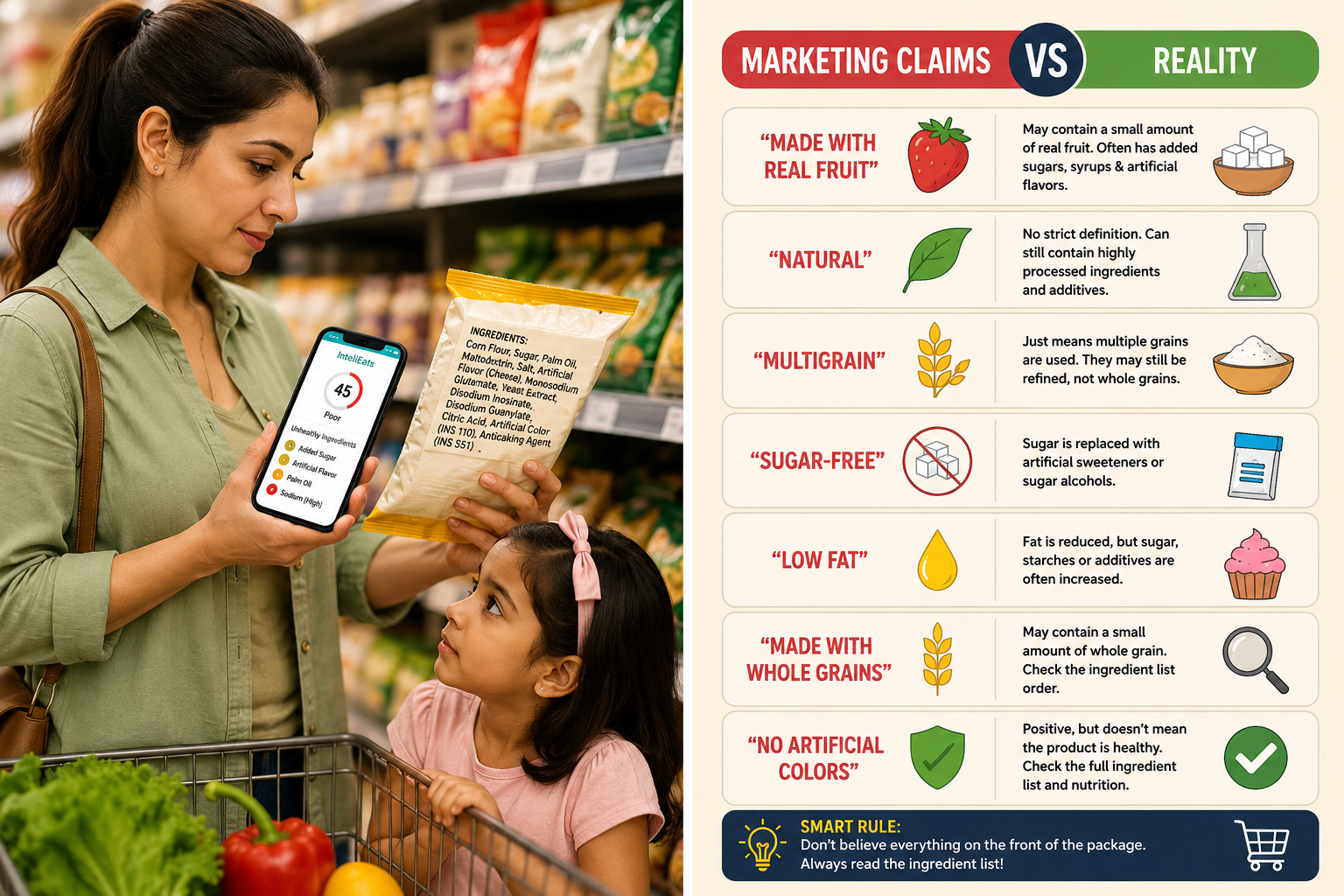
Many consumers focus on the front of the package while the real story is hidden on the ingredient label. Understanding what these marketing terms actually mean can help you make smarter food choices for yourself and your family.
1"Made With Real Fruit"
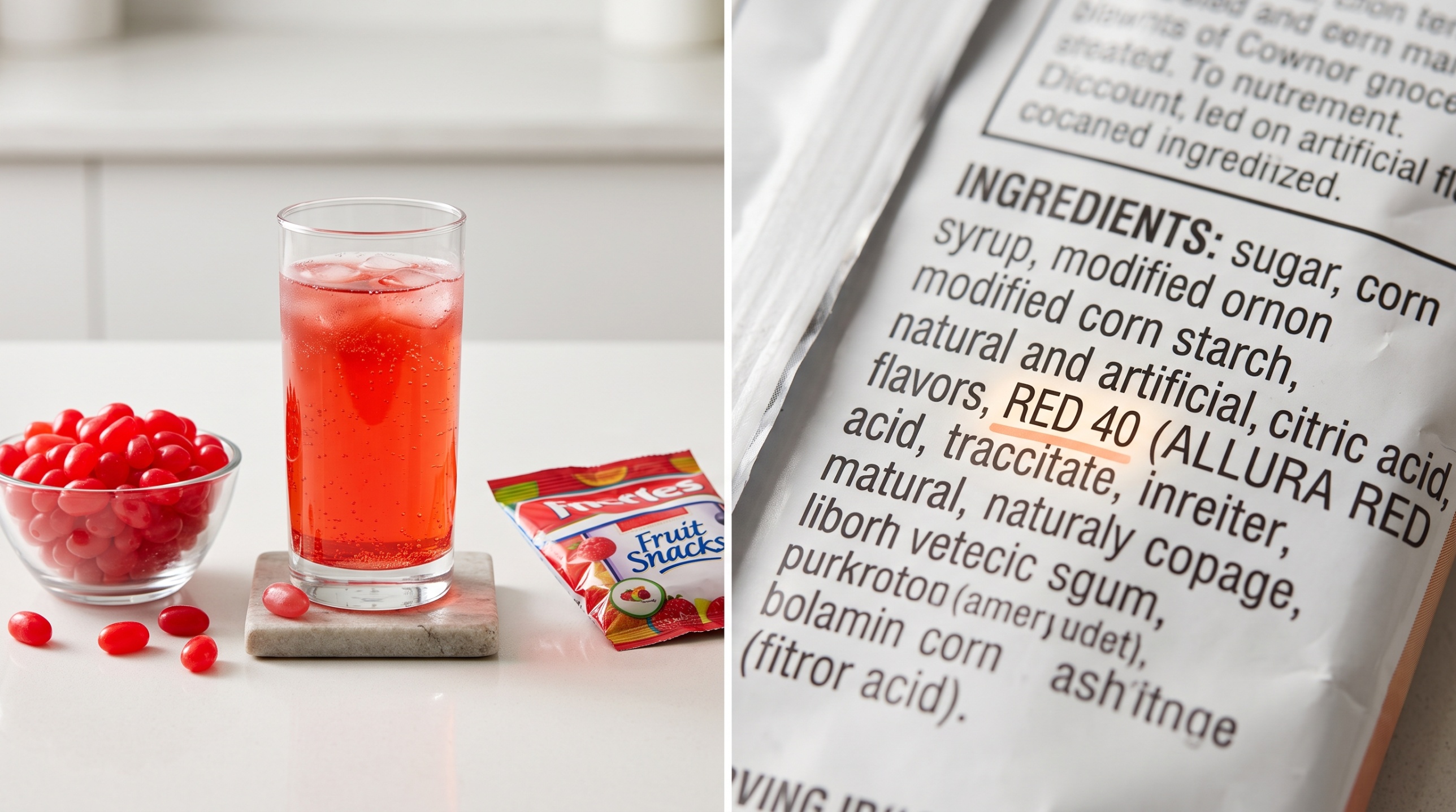
This phrase often creates the impression that a product is packed with nutritious fruit. The reality? A snack may contain a small amount of fruit concentrate while most of its sweetness comes from added sugars, syrups, or artificial flavors.
What to check:
- Is real fruit listed near the beginning of the ingredient list?
- How many forms of added sugar are included?
- Does the product contain artificial colors or flavors?
2"Natural"
Many shoppers assume "natural" means healthy. Unfortunately, the term is often loosely used. A product can be highly processed and still contain ingredients marketed as natural.
What to check:
- Length of the ingredient list
- Artificial additives
- Preservatives and flavor enhancers
- Amount of added sugar
A product labeled "natural" isn't automatically nutritious.
3"Multigrain"
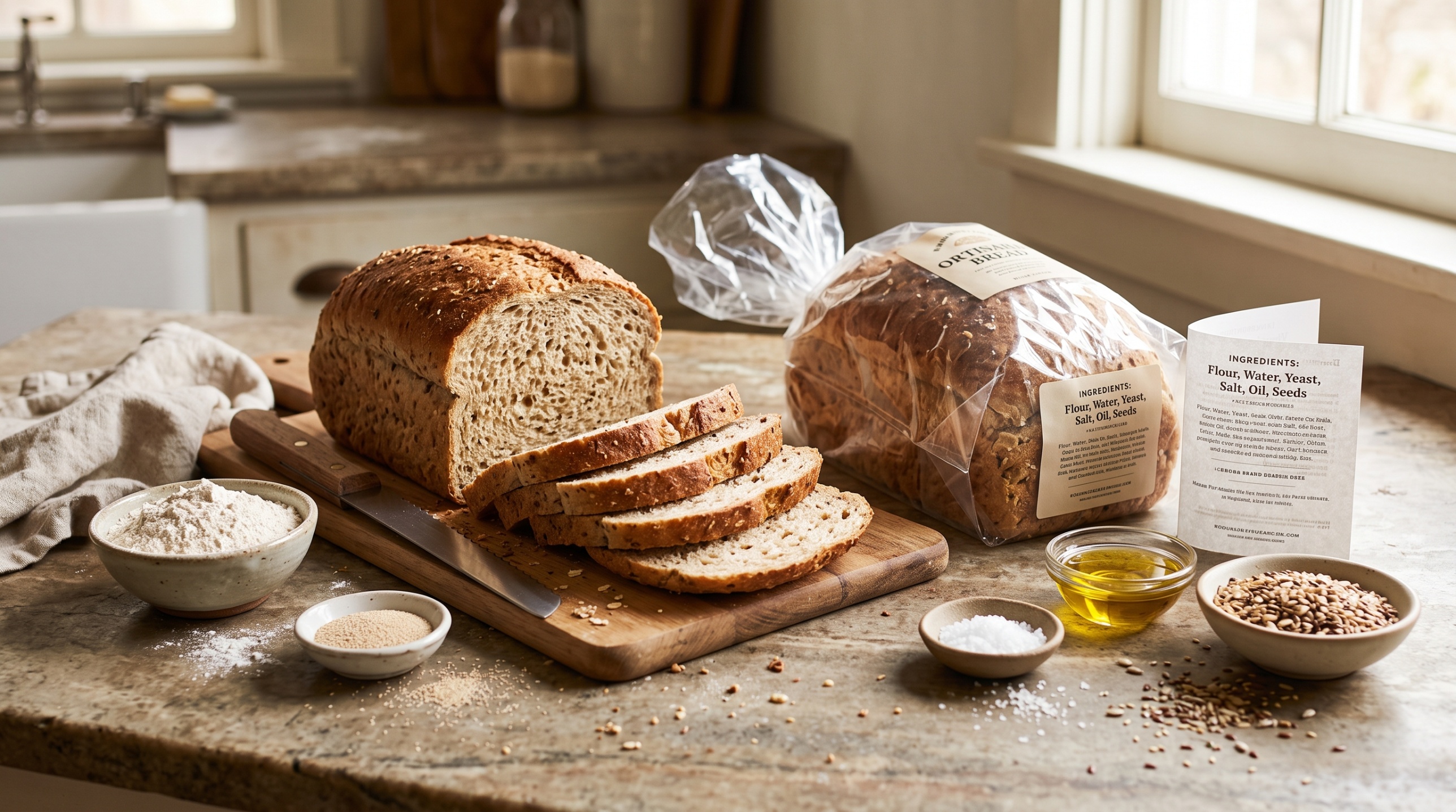
Multigrain simply means multiple grains were used. It does not guarantee that those grains are whole grains. Many multigrain products still contain refined flour as the primary ingredient.
What to check:
- Whole wheat
- Whole oats
- Whole grain corn
- Brown rice (as the first ingredients)
4"Sugar-Free"
Sugar-free products often replace sugar with artificial sweeteners or sugar alcohols. While these alternatives can reduce calories, they may not be the best option for everyone.
What to check:
- Aspartame
- Sucralose
- Saccharin
- Acesulfame Potassium
Understanding what replaces the sugar is just as important as knowing how much sugar is removed.
5"Low Fat"
When manufacturers reduce fat, they often compensate by adding sugar, starches, or flavoring agents to improve taste. A low-fat label does not necessarily mean healthier.
What to check:
- Added sugars
- Total ingredients
- Sodium levels
Sometimes the regular version contains fewer additives.
6"Made With Whole Grains"
This claim sounds impressive, but it doesn't tell you how much whole grain is actually present. A product may contain a small amount of whole grain while still being mostly refined flour.
What to check:
- Read the ingredient order. Ingredients are listed from highest to lowest quantity.
7"No Artificial Colors"
This is a positive claim, but it doesn't automatically make a product healthy. A food can be free of artificial colors and still contain excess sugar, refined carbohydrates, highly processed oils, or large amounts of sodium.
What to check:
- Always evaluate the entire ingredient list rather than a single marketing claim.
A Simple Rule for Smarter Shopping
When evaluating packaged foods, don't start with the front of the package.
Start with the ingredient list.
Ask yourself:
- Can I recognize most of these ingredients?
- Are added sugars listed multiple times under different names?
- Are artificial colors, preservatives, or flavor enhancers present?
- Is the ingredient list surprisingly long for a simple food?
These questions often reveal more than any marketing slogan.
How IntelliEats Helps
Reading ingredient labels can be time-consuming, especially when ingredient names are unfamiliar or difficult to pronounce.
IntelliEats simplifies the process by allowing users to scan ingredient lists directly from food packaging. The app highlights ingredients that may be worth limiting or avoiding and provides easy-to-understand explanations, helping shoppers make informed decisions in seconds.
Because healthier choices start with understanding what's really inside the package.
Final Thought
Food companies are experts at marketing. As consumers, our best defense is knowledge.
The next time a package promises "healthy," "natural," or "sugar-free," take a closer look. The ingredient list often tells a very different story.
A few extra seconds spent checking ingredients today can lead to healthier habits for years to come.
References
- U.S. Food & Drug Administration (FDA). "How to Understand and Use the Nutrition Facts Label." fda.gov/food/nutrition-facts-label
- U.S. Food & Drug Administration (FDA). "Food Labeling & Nutrition." fda.gov/food/food-labeling-nutrition
- U.S. Department of Agriculture (USDA). "Dietary Guidelines for Americans." dietaryguidelines.gov
- Harvard T.H. Chan School of Public Health. "The Nutrition Source." nutritionsource.hsph.harvard.edu
- Whole Grains Council. "Identifying Whole Grain Products." wholegrainscouncil.org
- American Heart Association. "Added Sugars." heart.org
- Academy of Nutrition and Dietetics. "Understanding Food Labels." eatright.org
- Mayo Clinic. "Nutrition and Healthy Eating." mayoclinic.org
- Centers for Disease Control and Prevention (CDC). "Healthy Weight, Nutrition, and Physical Activity." cdc.gov/healthy-weight-growth
- National Institutes of Health (NIH). "Nutrition Research and Consumer Health Information." nih.gov/health-information
Research & Regulatory Further Reading
The sources below provide background on food labeling, regulation, and research relevant to this topic. They do not establish that any individual ingredient is harmful at typical food exposure levels.
Medical Disclaimer
The information in this article is provided for educational purposes only and is not intended as medical, nutritional, or dietary advice. Ingredients approved by regulatory authorities are considered safe when used within established limits. Always consult a qualified healthcare professional or registered dietitian for guidance tailored to your personal health needs. See our Editorial Policy to learn how we research and review our content.