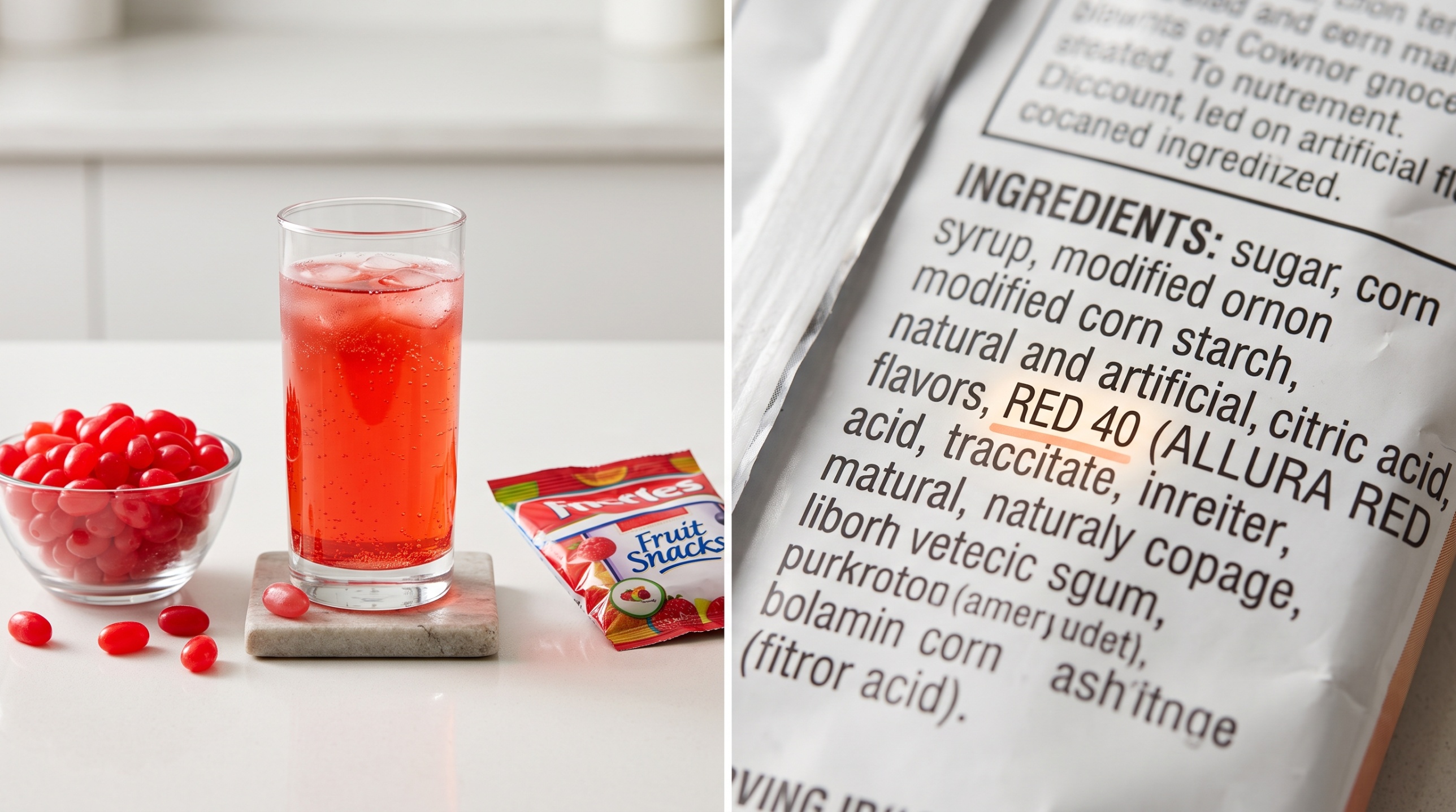
The Complete Guide to Food Additives: Types, Safety, Uses, and How to Read Labels
Pick up a package of bread, yogurt, cereal, chips, or frozen meals and you may find citric acid, lecithin, xanthan gum, sodium benzoate, maltodextrin, or ascorbic acid on the label. Those names can feel confusing—but unfamiliar does not automatically mean unsafe.
Food additives help keep food safe, preserve quality, improve texture and taste, and make products practical to transport and store. Some shoppers still choose to limit certain additives based on dietary preferences, emerging research, or a desire to eat more minimally processed foods. The goal is understanding, not unnecessary fear.
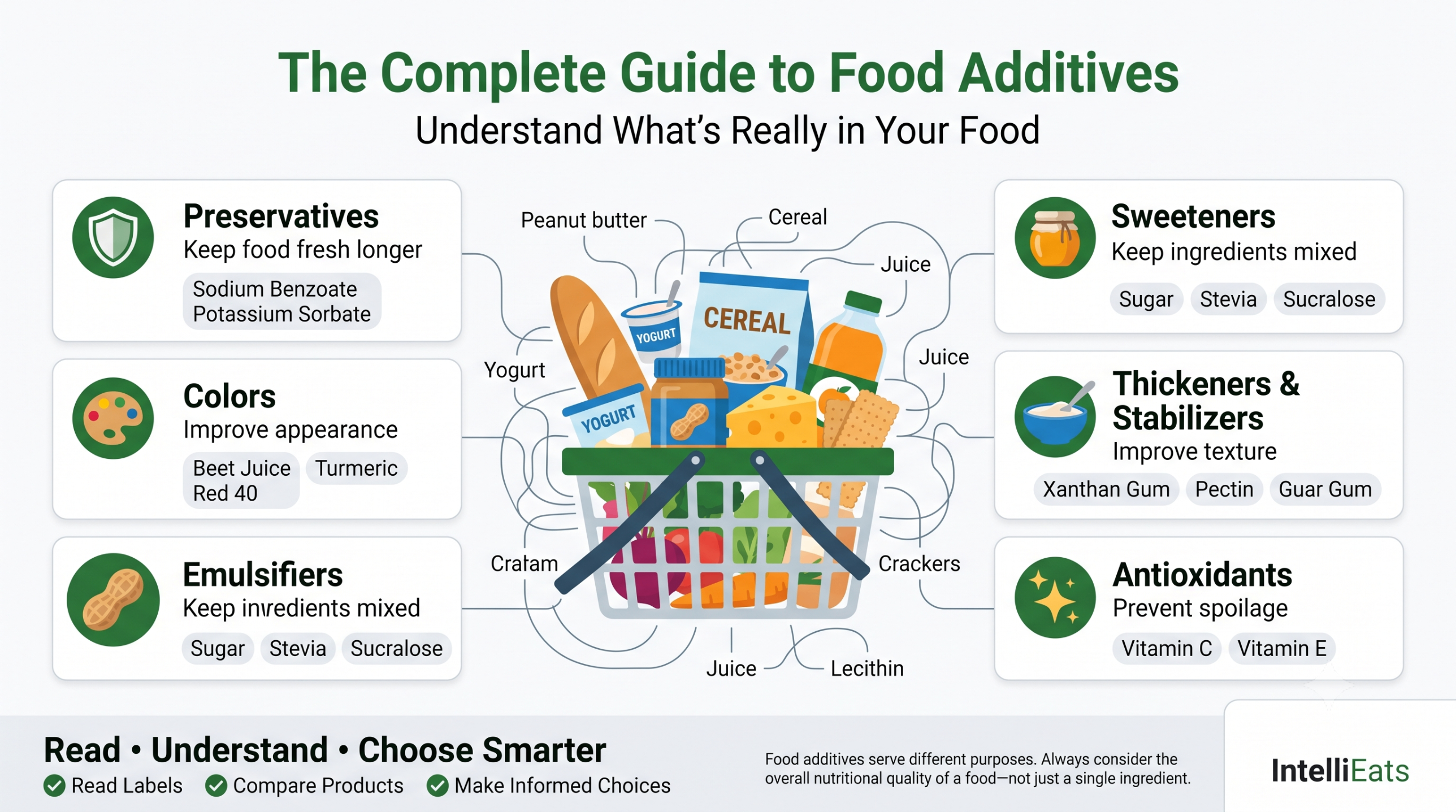
What are food additives?
A food additive is a substance added during manufacturing, processing, packaging, or storage for a specific purpose. Unlike the core ingredients in a recipe—such as flour, milk, eggs, tomatoes, apples, or rice—additives usually help change how a food keeps, looks, tastes, or feels.
Keep food fresh longer
Preservatives can slow spoilage from bacteria, yeast, and mold.
Maintain texture
Stabilizers and emulsifiers keep ingredients evenly mixed.
Improve flavor and appearance
Colors and flavor enhancers help products taste and look consistent.
Reduce waste and increase convenience
Antioxidants and other additives help packaged food travel and store well.
Why are food additives used?
Without additives, many foods would spoil faster, separate, lose their texture, or become less appealing. Bread can stay soft longer, ice cream can remain creamy, salad dressing can stay mixed, yogurt can maintain a smooth consistency, and packaged snacks can remain fresh during shipping and storage.
| Purpose | How it helps | Example |
|---|---|---|
| Prevent spoilage | Reduces the growth of bacteria, yeast, and mold. | Preservatives |
| Improve appearance | Helps food look consistent and appealing. | Colors |
| Maintain texture | Keeps ingredients evenly mixed or thickened. | Stabilizers and emulsifiers |
| Extend shelf life | Slows oxidation that can make fats rancid. | Antioxidants |
Are food additives safe?
There is no one-word answer because additives are evaluated individually. In the United States, the Food and Drug Administration (FDA) reviews scientific evidence before approving additives for particular uses. Manufacturers must demonstrate safety under the intended conditions of use.
Many additives also have an Acceptable Daily Intake (ADI): an amount experts estimate can be consumed every day over a lifetime without expected health risk. This includes a substantial safety margin. Other organizations that evaluate additives include the European Food Safety Authority (EFSA), the Joint FAO/WHO Expert Committee on Food Additives (JECFA), Health Canada, and Food Standards Australia New Zealand. Regulations can differ as evidence is interpreted and updated in different regions.
Ingredients vs. additives
Ingredients make up the food itself. Additives are included to perform a function. Citric acid, pectin, lecithin, xanthan gum, sodium benzoate, and ascorbic acid are examples of additives—not automatic red flags.
Natural vs. artificial
Source alone does not determine safety or nutrition. Beet juice, turmeric, pectin, lecithin, agar, Red 40, synthetic preservatives, and artificial sweeteners each need to be considered by their use and the overall food context.
Common categories of food additives
| Category | Purpose | Examples |
|---|---|---|
| Preservatives | Slow spoilage | Sodium benzoate, potassium sorbate |
| Antioxidants | Help fats stay fresh | Vitamin C, mixed tocopherols |
| Color additives | Improve or restore color | Red 40, turmeric, beet juice |
| Sweeteners | Add sweetness | Sugar, sucralose, stevia |
| Emulsifiers | Keep oil and water mixed | Lecithin, mono- and diglycerides |
| Stabilizers and thickeners | Maintain texture | Xanthan gum, pectin, carrageenan |
| Flavor enhancers | Boost savory flavor | Monosodium glutamate (MSG) |
| Acidity regulators | Control pH | Citric acid, lactic acid |
| Anti-caking agents | Prevent clumping | Silicon dioxide |
| Nutrient fortifiers | Improve nutrition | Vitamin D, iron, folic acid |
Understanding common food additives
Preservatives
Preservatives help prevent food from spoiling by slowing the growth of bacteria, yeast, and mold. Sodium benzoate is common in soft drinks, fruit juices, and sauces; potassium sorbate appears in cheese, yogurt, and baked goods; and calcium propionate helps prevent mold in bread and tortillas.
What to know: Most approved preservatives are considered safe within regulatory limits. Many health organizations still recommend limiting processed meats containing nitrates and nitrites as part of an overall balanced eating pattern.
Food colors
Color makes food look consistent and appealing. Synthetic colors include Red 40, Yellow 5, Yellow 6, Blue 1, Blue 2, and Green 3. Plant-based alternatives include beet juice, turmeric, annatto, paprika extract, spirulina, and purple sweet potato.
What to know: Approved colors have undergone safety evaluations. Research suggests a small number of children may be sensitive to certain synthetic colors, but findings are mixed and not all children are affected.
Sweeteners
Sweeteners include sugar, honey, maple syrup, agave, high-fructose corn syrup, dextrose, and low- or no-calorie options such as stevia, sucralose, aspartame, and monk fruit.
What to know: The most useful label check is total added sugar—not just one specific sweetener. Compare the Added Sugars line between similar products.
Emulsifiers
Emulsifiers help oil and water remain mixed, keeping foods like peanut butter, chocolate, and salad dressing smooth. Common examples include soy lecithin, sunflower lecithin, and mono- and diglycerides.
What to know: These ingredients are widely used and generally considered safe for approved uses. Research on some emulsifiers and the gut microbiome is ongoing.
Stabilizers and thickeners
Xanthan gum, guar gum, pectin, carrageenan, and agar help keep yogurt smooth, sauces thick, jams spreadable, and ice cream creamy instead of icy.
What to know: Many are derived from plants, fruit, seeds, or seaweed. Their presence usually describes a texture function rather than the overall nutritional quality of a food.
Flavor enhancers
Flavor enhancers increase savory or umami notes without adding a distinct taste of their own. MSG is the best-known example; yeast extract, hydrolyzed vegetable protein, disodium inosinate, and disodium guanylate can serve similar roles.
What to know: Current scientific evidence indicates MSG is generally safe for most people at typical dietary levels, though some people prefer to limit flavor enhancers based on personal preference.
Antioxidants, acidity regulators, and anti-caking agents
Vitamin C (ascorbic acid), vitamin E (mixed tocopherols), rosemary extract, citric acid, lactic acid, silicon dioxide, and calcium silicate help protect fats, control acidity, and keep powders free-flowing.
What to know: A scientific-sounding name is not a safety verdict. For example, ascorbic acid is vitamin C, sodium bicarbonate is baking soda, and citric acid occurs naturally in citrus fruits.
Let IntelliEats explain the ingredient list
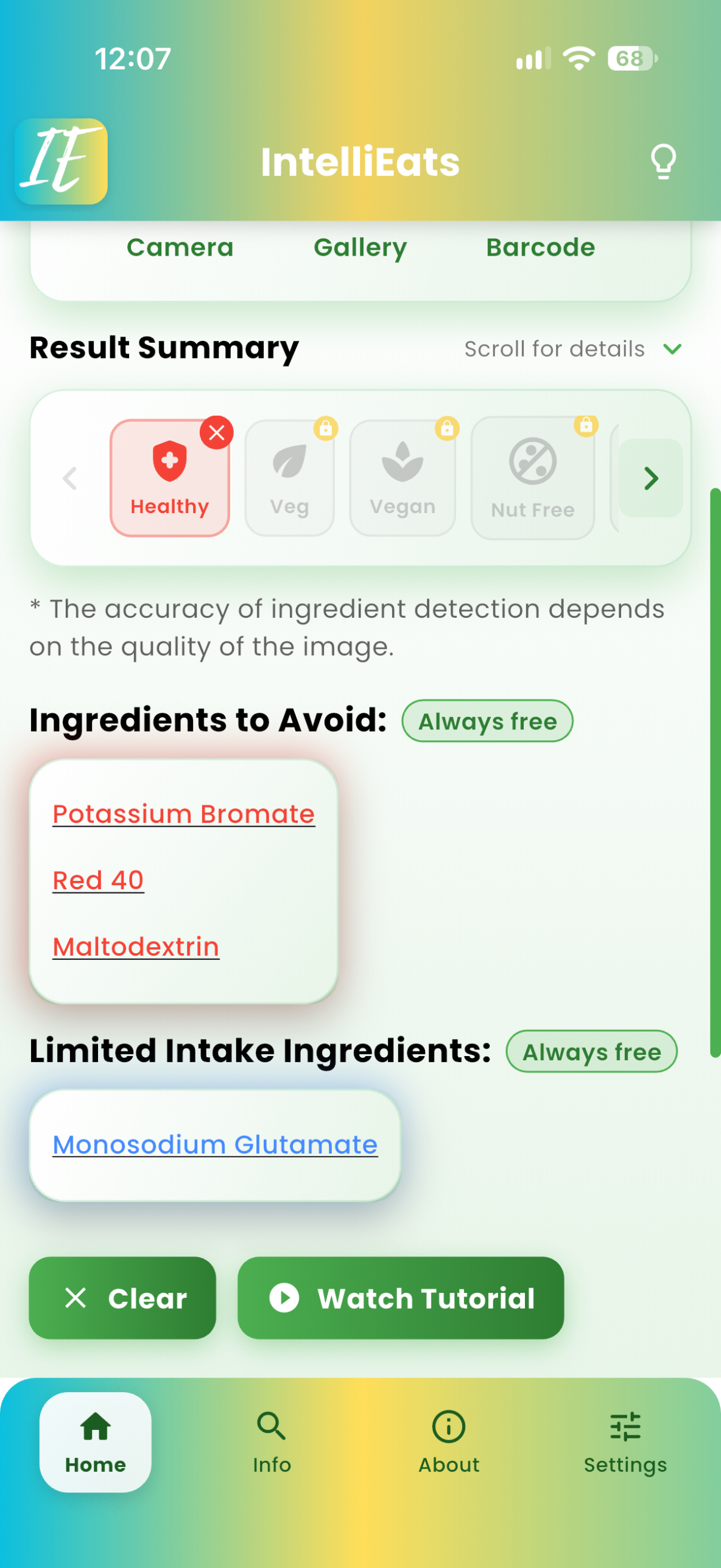
When an ingredient is unfamiliar, scan the label with IntelliEats instead of guessing. The app highlights ingredients to review and gives you a clear starting point for comparing products—while keeping the overall nutrition label in view.
How to read food labels with confidence
Read the ingredient list first
Ingredients are listed from greatest to least by weight. A product built around whole wheat flour, oats, and sunflower oil reads differently from one led by refined flour, palm oil, sugar, and multiple color additives.
Ask what each ingredient is doing
Lecithin keeps oil and water mixed; pectin thickens jams; citric acid controls acidity; vitamin C can prevent oxidation; and silicon dioxide prevents clumping. Function creates useful context.
Evaluate the whole food
A product with pectin, lecithin, and vitamin C may still offer fiber, whole grains, and protein. A product with few additives may still be high in added sugars, refined starches, or sodium.
Compare similar products
Use serving size, added sugars, sodium, fiber, protein, the first few ingredients, and your own dietary preferences to make a practical comparison.

Use scan results as a shopping shortcut
IntelliEats organizes a scan into clear result categories, so you can quickly identify ingredients you may want to limit and then compare that information alongside nutrients such as fiber, added sugar, and sodium. It is a tool for informed choices—not a substitute for medical advice.
Common myths about food additives
Myth: Every long ingredient name is harmful.
Fact: Many long names are vitamins, minerals, or naturally occurring compounds. The name alone does not determine nutritional value or safety.
Myth: Natural additives are always safer.
Fact: Safety depends on the specific ingredient, how it is used, and the amount consumed—not whether it is natural or synthetic.
Myth: All preservatives are bad.
Fact: Preservatives help prevent spoilage and foodborne illness. Their use is regulated, and many are considered safe at approved levels.
Myth: If it sounds like a chemical, it must be unhealthy.
Fact: Water, vitamin C, and salt all have chemical names. Context, amount, and the overall food matter more than the label vocabulary alone.
Frequently asked questions
Are all food additives tested before they are used?
Additives that require approval are evaluated for safety before use in specific applications. In the United States, some ingredients may also be used through the Generally Recognized as Safe (GRAS) framework when qualified experts conclude they are safe under intended conditions.
What do E numbers mean?
An E number is a European Union code for an approved additive after safety evaluation. It does not mean the additive is artificial or harmful. E300 is vitamin C, E322 is lecithin, E330 is citric acid, E406 is agar, E415 is xanthan gum, and E621 is MSG.
Are organic foods free from additives?
Not entirely. Organic products may still include approved additives such as pectin, agar, lecithin, citric acid, and baking soda, though organic standards restrict many synthetic preservatives, colors, and flavorings.
Should I avoid ultra-processed foods?
Processing and additives are related but not identical. Fortified milk, plain yogurt, frozen vegetables with vitamin C, and whole-grain bread can fit a nutritious pattern. Look at how often heavily processed foods appear in your overall diet.
10 smart shopping reminders
- Read the ingredient list before marketing claims.
- Compare similar products.
- Look for whole-food ingredients near the top.
- Pay attention to added sugars and sodium.
- Do not judge a food by one ingredient alone.
- Eat a variety of minimally processed foods.
- Use additives as one factor in your decision.
- Check serving sizes.
- Seek medical guidance for allergies or conditions.
- Teach children how to read labels as they grow.
Related IntelliEats Articles
Continue learning about food ingredients:
Final thoughts
Food additives are a normal part of today's food supply, but understanding them does not have to be complicated. Instead of fearing every unfamiliar ingredient, ask what it does, how often your family eats the food, whether the product supports a balanced diet, and whether a similar option better matches your preferences.
For most families, the biggest improvements come from an overall pattern rich in fruits, vegetables, whole grains, legumes, nuts, seeds, and lean proteins—while limiting foods high in added sugars, sodium, and heavily processed ingredients. Knowledge, not fear, is the best tool for confident choices.
References
- U.S. Food and Drug Administration (FDA). Overview of Food Ingredients, Additives & Colors and Generally Recognized as Safe (GRAS).
- European Food Safety Authority (EFSA). Food Additives.
- World Health Organization (WHO). Food Safety.
- Joint FAO/WHO Expert Committee on Food Additives (JECFA).
- U.S. Department of Agriculture. Dietary Guidelines for Americans, 2025–2030.
- Academy of Nutrition and Dietetics nutrition resources and National Institutes of Health Office of Dietary Supplements.
Research & Regulatory Further Reading
The sources below provide background on food labeling, regulation, and research relevant to this topic. They do not establish that any individual ingredient is harmful at typical food exposure levels.
Medical Disclaimer
The information in this article is provided for educational purposes only and is not intended as medical, nutritional, or dietary advice. Ingredients approved by regulatory authorities are considered safe when used within established limits. Always consult a qualified healthcare professional or registered dietitian for guidance tailored to your personal health needs. See our Editorial Policy to learn how we research and review our content.