Common Ingredients in Packaged Foods: What Every Shopper Should Know
Walk down any grocery store aisle and you'll find thousands of packaged food products promising convenience, great taste, and even health benefits. But have you ever turned the package around to read the ingredient list?
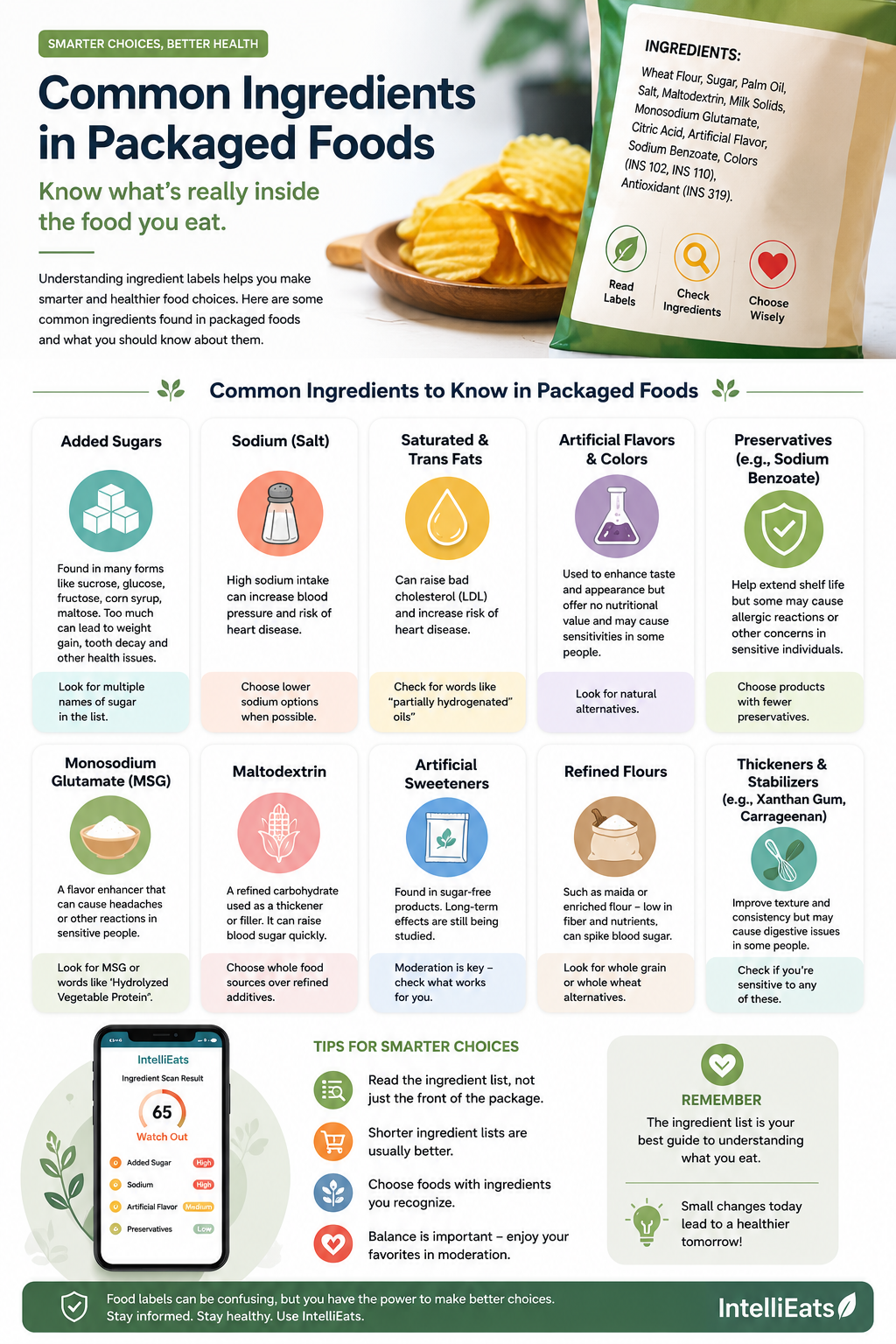
Many packaged foods contain ingredients that serve important purposes—such as improving taste, extending shelf life, enhancing texture, or preserving freshness. While many of these ingredients are considered safe by food regulatory agencies, understanding what they are and why they're used can help you make more informed food choices.
You don't need to memorize every ingredient name. Instead, learning about the most common ones can make grocery shopping much easier.
1Added Sugars
Sugar isn’t always listed simply as “sugar.” Food manufacturers use dozens of different names that all contribute to your daily sugar intake.
Common names include:
- High-fructose corn syrup
- Cane sugar
- Corn syrup
- Dextrose
- Fructose
- Maltose
- Glucose
- Brown rice syrup
- Honey
- Agave syrup
Added sugars improve flavor and shelf life but consuming too much added sugar over time has been associated with an increased risk of obesity, type 2 diabetes, tooth decay, and heart disease.
Shopping Tip: If several types of sugar appear in the ingredient list, the product may contain more added sugar than you realize.
2Sodium
Salt is essential for flavor and preservation, but packaged foods are one of the largest sources of sodium in many diets. High sodium intake may contribute to high blood pressure, heart disease, and stroke.
Common high-sodium packaged foods include:
- Soups
- Frozen meals
- Chips
- Processed meats
- Instant noodles
Shopping Tip: Compare similar products and choose lower-sodium options whenever possible.
3Artificial Colors
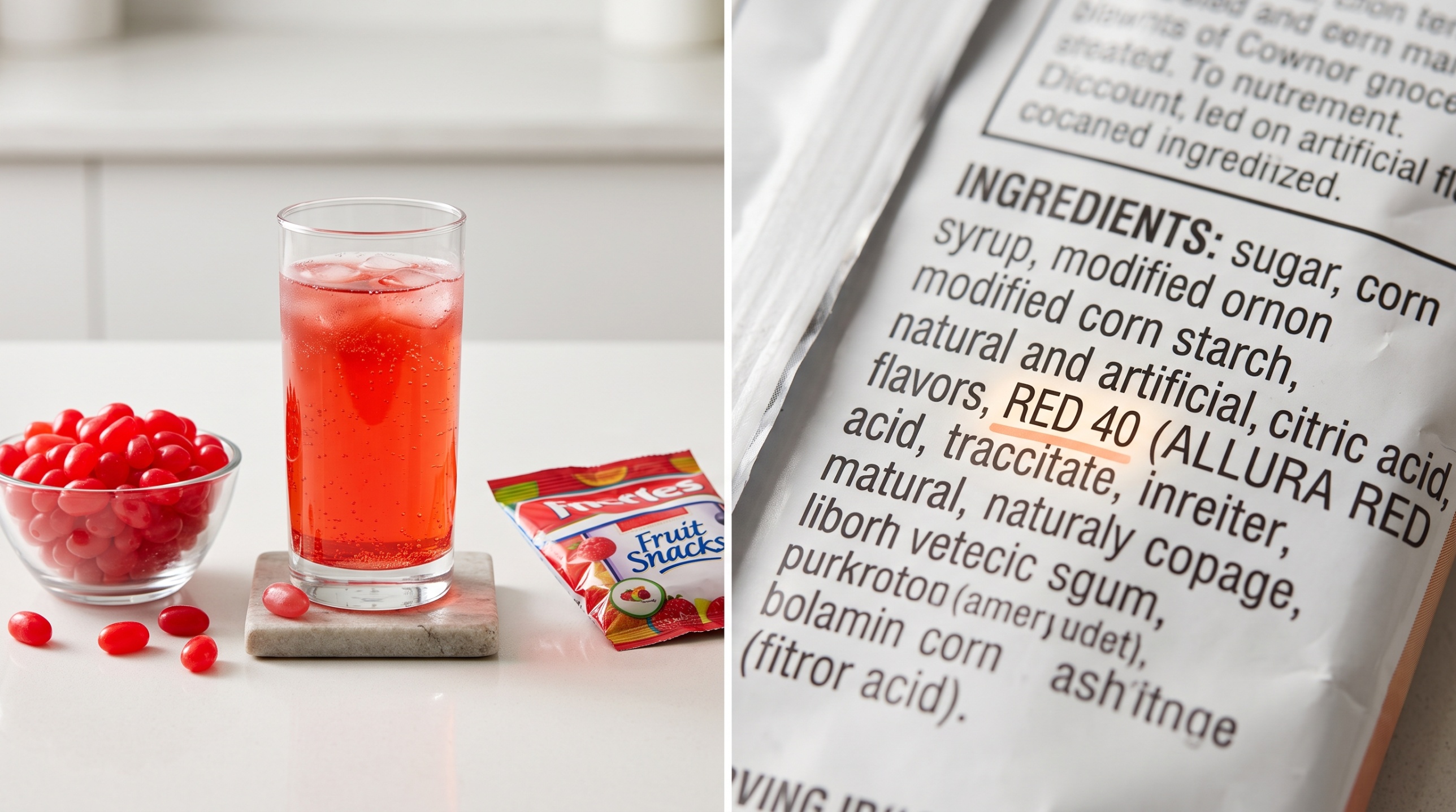
Artificial food colors are used to make products look more appealing. They are approved for use by regulatory agencies in many countries, but some consumers choose to limit them due to personal preferences or sensitivities.
Some common examples include:
- Red 40
- Yellow 5
- Yellow 6
- Blue 1
Shopping Tip: If color isn’t important, consider products that use natural coloring ingredients instead.
4Artificial Flavors
Artificial flavors are designed to mimic natural flavors and create a consistent taste from batch to batch. Although approved for use within regulated limits, many shoppers prefer foods with fewer artificial additives. Natural flavoring and artificial flavoring can sometimes produce similar tastes, but they are sourced differently.
Shopping Tip: Foods with shorter ingredient lists often contain fewer added flavoring agents.
5Preservatives
Without preservatives, many packaged foods would spoil much faster. These ingredients help prevent the growth of bacteria, yeast, and mold. Most preservatives are considered safe within approved limits, but some people choose products with fewer preservatives whenever practical.
Common preservatives include:
- Sodium benzoate
- Potassium sorbate
- Calcium propionate
6Refined Flour
Many breads, crackers, cookies, and snack foods are made with refined wheat flour. During processing, much of the bran and germ are removed, reducing the fiber and some naturally occurring nutrients. Whole grain products generally provide more fiber and can help you feel full longer.
Shopping Tip: Look for “Whole Wheat Flour” or another whole grain as the first ingredient.
7Artificial Sweeteners
Products labeled “Sugar-Free” often contain alternative sweeteners instead of traditional sugar. These sweeteners provide sweetness with little or no calories. Some people prefer them, while others choose to avoid them based on personal preference or dietary needs.
Common examples include:
- Aspartame
- Sucralose
- Saccharin
- Acesulfame Potassium
- Stevia (plant-derived)
8Emulsifiers and Stabilizers
Ever wonder why peanut butter stays smooth or why salad dressing doesn’t separate immediately? These ingredients help improve texture and consistency. Most consumers eat them regularly without realizing it because they appear in many packaged foods.
Ingredients such as:
- Soy lecithin
- Xanthan gum
- Guar gum
- Carrageenan
9Flavor Enhancers
Flavor enhancers increase the savory taste of foods. One well-known example is Monosodium Glutamate (MSG). MSG has been extensively studied and is recognized as safe for the general population by major food safety authorities. However, some individuals report sensitivity after consuming foods containing large amounts of MSG.
How to Read an Ingredient List Like a Pro
The ingredient list is arranged by weight, meaning the ingredient used in the greatest amount appears first. When reading a label, ask yourself:
- Are the first few ingredients foods I recognize?
- Does sugar appear several times under different names?
- Is the ingredient list unusually long for a simple product?
- Does the product contain ingredients I'm trying to limit?
You don't have to avoid every packaged food. Instead, aim to understand what you're eating and compare similar products to find the option that best fits your dietary preferences.
How IntelliEats Makes Ingredient Labels Easier to Understand
Ingredient lists can be long and filled with scientific names that are difficult to recognize.
IntelliEats helps simplify this process by allowing you to scan the ingredient list directly from food packaging. The app identifies ingredients you may want to know more about and explains their purpose in plain language, helping you make informed shopping decisions in just a few seconds.
Whether you're shopping for yourself or your family, having quick access to ingredient information can make grocery trips simpler and less stressful.
Final Thoughts
Packaged foods aren't automatically unhealthy, and unfamiliar ingredient names don't necessarily mean an ingredient is unsafe. Many additives serve important purposes in keeping food fresh, safe, and enjoyable.
The key is awareness.
Learning to read ingredient labels empowers you to compare products, understand what you're buying, and choose foods that align with your personal health goals.
Small, informed choices made consistently over time can have a meaningful impact on your overall diet and well-being.
References
- U.S. Food & Drug Administration (FDA). "Food Additives & Ingredients." fda.gov/food/food-ingredients-packaging
- U.S. Food & Drug Administration (FDA). "How to Understand and Use the Nutrition Facts Label." fda.gov/food/nutrition-facts-label
- U.S. Department of Agriculture (USDA). "Dietary Guidelines for Americans." dietaryguidelines.gov
- Harvard T.H. Chan School of Public Health. "The Nutrition Source." nutritionsource.hsph.harvard.edu
- American Heart Association. "Added Sugars." heart.org
- World Health Organization (WHO). "Healthy Diet." who.int/news-room/fact-sheets/detail/healthy-diet
- Academy of Nutrition and Dietetics. "Understanding Food Labels." eatright.org
- Mayo Clinic. "Nutrition and Healthy Eating." mayoclinic.org
- National Institutes of Health (NIH). "Nutrition." nih.gov/health-information
- Centers for Disease Control and Prevention (CDC). "Healthy Weight, Nutrition, and Physical Activity." cdc.gov/healthy-weight-growth
Research & Regulatory Further Reading
The sources below provide background on food labeling, regulation, and research relevant to this topic. They do not establish that any individual ingredient is harmful at typical food exposure levels.
Medical Disclaimer
The information in this article is provided for educational purposes only and is not intended as medical, nutritional, or dietary advice. Ingredients approved by regulatory authorities are considered safe when used within established limits. Always consult a qualified healthcare professional or registered dietitian for guidance tailored to your personal health needs. See our Editorial Policy to learn how we research and review our content.